Your FDCPA Rights in Florida: What Collectors Can't Do in a Dispute

What You'll Learn
- The exact federal law that forces a collector to STOP and prove the debt is yours (and the 30-day window that triggers it)
- Why a single phone call at the wrong time of day can be worth $1,000 to you
- How a client in Altamonte Springs got four months of "120 days late" wiped off her report — with the right paper
- The two Florida-specific protections most people have never heard of (one of them is a felony for the collector)
- Where to report a collector who won't quit — and who actually reads those complaints
If a collector is blowing up your phone right now, stop letting them run the fight. You've got more power than they want you to know about — let's talk about your FDCPA rights in Florida.
First — Stop Reacting and Start Reading the Mail
Here's the thing. Most people I meet in Orlando handle collectors one of two ways: they either pick up the phone and panic-promise a payment they can't make, or they toss the letters straight in the trash and pretend it isn't happening.
Both are losing moves.
The collector's entire business model runs on you being scared and uninformed. They call at 8 p.m. while you're making dinner. They imply things that aren't true. They make it sound like the sheriff's coming for your couch tomorrow.
Real talk — a huge chunk of what they do is theater. And once you know the script, the whole act falls apart.
The rules I'm about to walk you through come from the Fair Debt Collection Practices Act, a federal law that's been around since 1977. It applies to third-party collectors — the Midland Credit Managements and Portfolio Recoverys of the world — the ones who buy your old debt for pennies and then hound you for the full amount. Read the FTC's plain-English breakdown of the FDCPA here.
What Happens If You Just Ignore It All
Let me be blunt about the downside, because I'm not in the business of sugarcoating.
If you ghost a legitimate collector completely, this is the road it can go down:
- They sue you. In Florida, a debt collector can file a lawsuit in county court over an unpaid debt. If you don't show up, you lose by default — automatically.
- A default judgment is bad news — but here's what collectors never mention. Florida is actually one of the most debtor-friendly states in the country when it comes to wages. Under Florida Statute 77, a creditor with a judgment can pursue garnishment — but Florida's head-of-household exemption (Fla. Stat. § 222.11) protects wages entirely for most people who provide more than half the support for a dependent. For the typical consumer debt, wage garnishment usually isn't even on the table because of that exemption. But you have to claim it. Silence forfeits it.
- The negative mark sits on your credit report for up to 7 years, tanking your shot at an apartment in Lake Nona or a car loan that isn't 24% interest.
So no — ignoring it isn't a strategy. But panicking isn't either. There's a third door, and it's the one collectors hope you never find.
Your Legal Leverage: The 30-Day Dispute Window
Here's where it gets interesting.
When a collector first contacts you, they're required by law to send you a written notice within five days. That notice has to tell you the amount owed, who the creditor is, and — this is the golden part — that you have 30 days to dispute the debt.
This comes straight from FDCPA Section 809 (15 U.S.C. § 1692g). (See also the CFPB's Regulation F, 12 C.F.R. Part 1006, which spells out how collectors have to handle this.) I can't stress this enough:
If you send a written dispute within that 30-day window, the collector must STOP collection efforts until they mail you validation of the debt.
Validation means actual proof. Not a printout that says "you owe us money." I'm talking about documentation showing the debt is real, the amount is right, and they have the legal right to collect it. A shocking number of debt buyers can't produce it — because they bought a spreadsheet, not your actual signed contract.
Until they validate, they're supposed to stop calling and stop pushing you for payment. And if they keep collecting — calls, letters, more pressure — before they've mailed you that verification, that's an FDCPA violation you can cash in on. On the credit reporting side, if they do report it while your dispute is pending, they're required to note that the debt is disputed. So don't sit on your rights — assert them.
That's your leverage. And asserting it is 100% free — you can send that dispute letter yourself, certified mail, today. The CFPB even publishes sample letters you can copy.
What Collectors CAN'T Do (Federal Rules + Florida Add-Ons)
Once you understand the fences the law puts around these people, the calls stop feeling scary and start looking like violations you can cash in on.
Collector Contact Limits in Florida
- No calls before 8 a.m. or after 9 p.m. in your local time. A collector calling you at 6:45 a.m. before your Disney cast member shift? That's a violation.
- No calling you at work if they know your employer doesn't allow it — and you can tell them to stop.
- No repeated calls meant to harass. Under the CFPB's Regulation F, there's a presumption that calling you more than about seven times a week per debt crosses into harassment. And here's the thing — even fewer calls can still be illegal harassment depending on how they're doing it. Frequency is one factor, not the whole story.
- No third-party disclosure. They can't tell your mom, your boss, or your neighbor that you owe money. They can only contact others to find your location — and even then, they can't reveal the debt.
What Florida Adds On Top
Florida gives you more than the federal floor, through the Florida Consumer Collection Practices Act (FCCPA), Fla. Stat. § 559.72. Two pieces most people have never heard of:
- It's illegal to contact you if they KNOW you're represented by an attorney. Once a lawyer's involved, all communication goes through the lawyer.
- Willfully harassing you with repeated calls, or using profane/abusive language, can be a criminal violation — not just a civil one. Florida takes this seriously. Read the Florida statute text here.
And here's the kicker: the FCCPA covers the original creditor too, not just third-party collectors. That's broader than federal law. So the bank that gave you the auto loan is on the hook in Florida in ways it wouldn't be under the FDCPA alone.
The Dispute That Actually Wins: A Central Florida Story
Let me tell you about a client I had in Altamonte Springs last year. This one drives home why disputing with documentation beats disputing with feelings.
Her car got totaled — not her fault. Insurance paid out, everything looked handled. But she had GAP coverage to cover the difference between the insurance payout and what she still owed on the loan. And the GAP company? They sat on the claim for four months.
Meanwhile, her lender kept marking the loan. First 30 days late. Then 60. Then 90. By the time GAP finally paid, the lender had reported the account 120 days late — four straight months of destruction on her credit report, for a bill that was literally in the process of being paid by an insurance product she'd bought exactly for this situation.
Sound familiar? Payment timing chaos wrecks more Central Florida credit reports than anything else — especially for folks juggling seasonal hospitality income where autopay and reality don't always line up.
Here's what we did. We didn't just fire off a "this is wrong" dispute. We built a file:
- The GAP claim confirmation showing the date it was filed
- Correspondence proving the claim was pending during those exact four months
- The final payoff showing GAP covered the balance
Then we disputed the four late payments through the credit bureaus under the FCRA, Section 611 (15 U.S.C. § 1681i) — with all that documentation attached. Once a bureau passes a dispute to the furnisher, the lender has its own duties under FCRA Section 623 (15 U.S.C. § 1681s-2) to investigate and correct what it reported. Read up on how disputes work at the CFPB's credit reports page.
The lender reviewed it and agreed to update all four months to "paid as agreed." The late marks came off. That's the difference between disputing and documenting.
This is the exact work we handle at Freedom Credit Repair every day — building the paper trail that forces a correction. Learn more about our collections removal and repossession credit repair work if that situation hits close to home.
Your Action Plan
Stop absorbing punches. Here's how you go on offense.
1. Save the letter. Note every call. Start a log the second a collector contacts you. Date, time, phone number, what they said. If they call at 7 a.m. or threaten you, that log is evidence. A screenshot of your call history is gold.
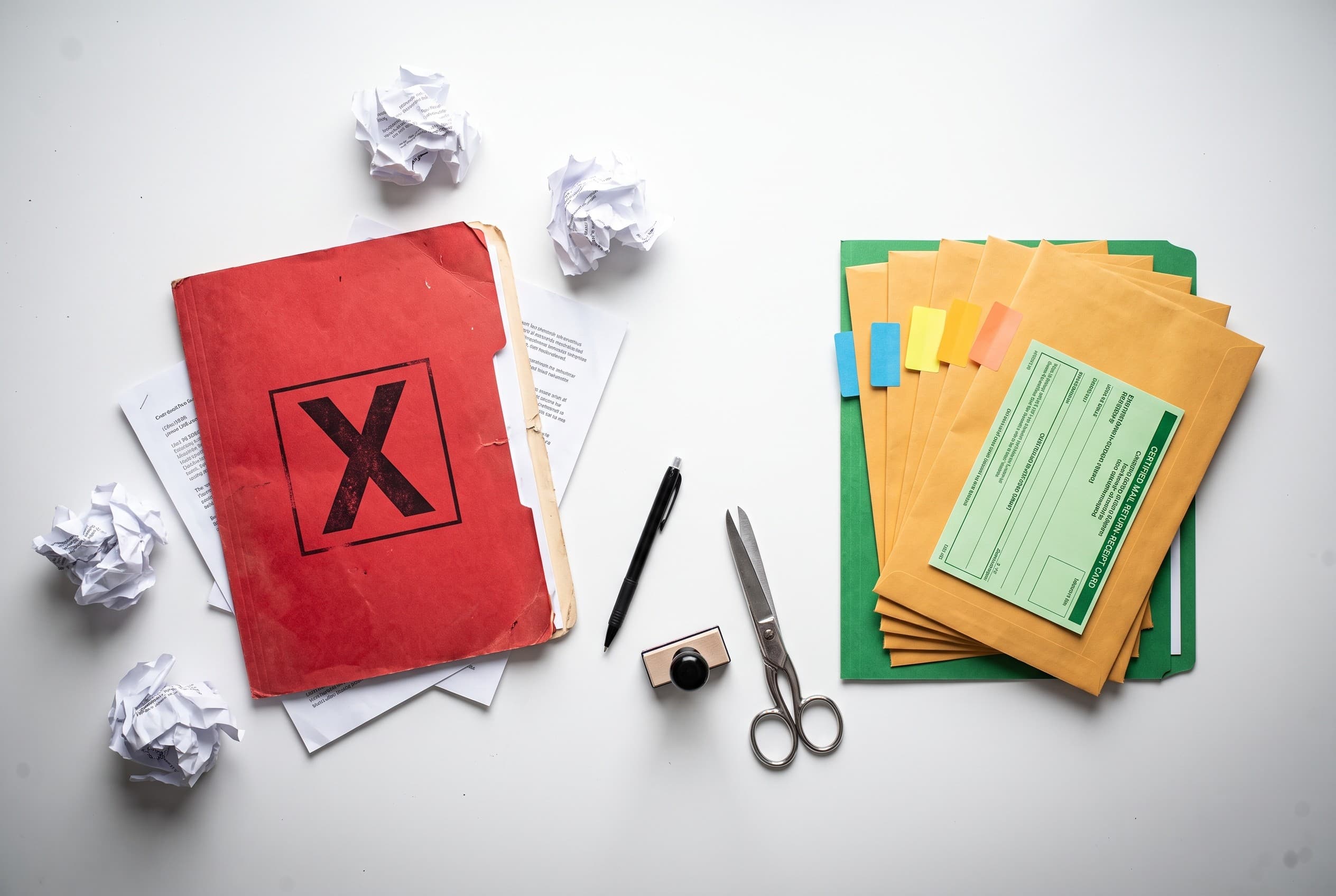
2. Send a written dispute inside 30 days — certified mail. This is non-negotiable. Certified mail with return receipt proves they got it and when. Once they receive it, they have to stop collecting until they mail you validation. Keep the green card.
3. Demand validation, not just a payment plan. In your letter, specifically request validation of the debt: proof of the amount, the original creditor, and their right to collect. Make them work. Debt buyers frequently can't produce it.
4. Match every dispute with documentation. Like my Altamonte Springs client — if the reporting is inaccurate, prove why. Insurance letters, payment records, GAP claims, whatever tells the true story. A dispute with paper behind it is ten times stronger than one without.
5. Report violations. Loudly. If a collector breaks the rules, you have real recourse:
- File with the CFPB complaint portal — collectors actually respond to these because they're tracked.
- File with the Florida Attorney General.
- Under the FDCPA, you can sue for up to $1,000 in statutory damages per lawsuit plus attorney's fees — even if the debt was legit. The violation is its own case.
6. Know when to bring in help. Disputing accurate, current debt won't make it disappear — and any company promising to erase legitimate debts is lying to you. But if items are inaccurate, unverifiable, or outdated, you've got every right to challenge them. We break a lot of this down in our FAQ.
Talk to a Real Credit Specialist — Free
The fastest way to get straight answers about your situation in Orlando and across Florida.
4.9 · 89 Google reviews · No upfront fee
Call (407) 606-7117Individual results vary. We help you dispute inaccurate, unverifiable, or outdated items — no one can remove accurate, current information from your credit report, and you can dispute it yourself for free with the bureaus.
If you're getting hammered by collectors anywhere in Central Florida — Orlando, Kissimmee, Sanford, Altamonte — and you're not sure what's a violation and what's just noise, let's talk. We cover the whole state, and you can see our full approach on our Florida credit repair page. Call (407) 606-7117.
FAQ
Can a debt collector keep calling me during a dispute in Florida?
No. Once you send a written dispute within 30 days of their first notice, the collector must stop collection efforts — including calls — until they mail you validation of the debt. This right comes from FDCPA Section 809 (15 U.S.C. § 1692g). If they keep collecting before validating, that's a violation you can report to the CFPB and potentially sue over for up to $1,000 in statutory damages.
What are the legal call time limits for debt collectors in Florida?
Debt collectors cannot contact you before 8 a.m. or after 9 p.m. in your local time zone. They also can't call repeatedly to harass you — under Regulation F, there's a presumption that more than about seven call attempts per week per debt crosses into harassment, and fewer calls can still be illegal depending on how they're doing it. A collector calling you at 6:45 a.m. before your shift or blowing up your phone ten times a day is breaking federal law, and you should log every attempt.
Does Florida law give me more protection than the FDCPA?
Yes. The Florida Consumer Collection Practices Act (Fla. Stat. § 559.72) goes further than federal law in two big ways: it also covers original creditors — not just third-party collectors — and it treats willful harassment or abusive language as a potential criminal violation. Florida also protects head-of-household wages from garnishment under Fla. Stat. § 222.11, which means most consumers never actually face wage garnishment on typical consumer debt — but you have to claim the exemption.
How do I report an FDCPA violation in Florida?
File a complaint with the Consumer Financial Protection Bureau at consumerfinance.gov/complaint and with the Florida Attorney General's office. Keep a detailed log of dates, times, and what was said during each contact. Under the FDCPA you can also sue a collector for statutory damages up to $1,000 plus attorney's fees, even if the underlying debt is valid — the violation itself is the case.
Can I dispute a debt myself without paying a company?
Yes, absolutely. You can send a dispute and validation request yourself, for free, using sample letters published by the CFPB — just mail it certified with return receipt inside the 30-day window. A credit repair company like ours helps when the situation is complex, the reporting is inaccurate, or you need someone to build the documentation and handle collectors for you, but asserting your basic FDCPA rights costs nothing.

Matt Brody
Founder, Freedom Credit Repair
Matt is the founder of Freedom Credit Repair based in Orlando, FL. Since 2019, Matt has helped clients remove negative items from their credit reports and take control of their financial future. Call (407) 606-7117 for a free consultation. More about Matt →