Dispute Credit Report Errors in Florida: How the FCRA 30-Day Clock Really Works

What You'll Learn
- The exact federal law that starts a 30-day clock the second your dispute lands — and the legal trick bureaus use to stretch it to 45
- Why a "complete" dispute triggers the clock but a lazy one lets them ignore you as "frivolous"
- The one document request that forces a bureau to explain how they "verified" your debt (most people never send it)
- How a Conway client got 5 accounts that weren't even his separated out — and jumped 112 points
Stop Waiting and Hoping. Start the Clock.
If you've got a wrong account, a paid collection that still shows a balance, or a late payment you never made sitting on your credit report — waiting won't fix it. Nobody at Equifax is going to notice on their own and hit delete.
You have to make them look. And the moment you do it right, a federal countdown starts.
That's the whole game when you dispute credit report errors in Florida. The Fair Credit Reporting Act gives the bureaus a hard deadline to investigate what you're challenging. But here's the thing — most people either don't know the clock exists, or they trip over one of the rules that lets the bureau ignore them entirely.
Let me walk you through how the 30-day investigation actually works. And why, in real life, some of these fights run 45 days instead.
What Happens If You Just Leave the Error There
Real talk — I've watched people sit on a credit report error for two years because "it's only one account."
That one account is doing damage every single day. Here's what an unchallenged error keeps costing you:
- Higher interest on everything. A wrong 30-day late can knock 40-80 points off your score. On a $28,000 auto loan in Orlando, that's the difference between 6% and 14% — thousands of dollars.
- Apartment denials. Half the complexes off Orange Blossom Trail and Semoran auto-decline anyone under 620. One bogus collection can drop you right below the line.
- Mortgage limbo. I had a couple in Lake Nona lose their contract closing date because a mixed-up account tanked the wife's middle score three weeks before underwriting.
And here's the kicker — errors don't fix themselves, and they don't fall off early just because they're wrong. The bureau assumes it's correct until you prove otherwise. Silence is you agreeing with them.
The FTC has said for years that a big chunk of consumers find at least one error on their credit reports. You could be one of them and not even know it.
Your Legal Leverage: The FCRA 30-Day Investigation
Here's where you stop being a victim and start being a problem for them.
Under FCRA Section 611, 15 U.S.C. § 1681i, when you dispute the accuracy of something on your report, the credit bureau must conduct a "reasonable reinvestigation" — and complete it within 30 days. This is what people mean by the FCRA 30-day investigation in Florida, and it applies the same whether you're in Winter Park or the Panhandle.
The clock starts the day the bureau receives your dispute — not the day they get around to reading it.
What the bureau has to actually do
Once you dispute, the bureau can't just glance at your file. By law they have to:
- Forward all your relevant info to the furnisher (the bank, collector, or lender that reported the item) within 5 business days.
- Get the furnisher to investigate and report back.
- Delete or correct anything that comes back inaccurate, incomplete, or unverifiable.
- Send you the results in writing, usually within 5 days of finishing.
That word unverifiable is your best friend. If the item can't be verified after a reasonable reinvestigation, it comes off. It doesn't matter if the debt was "technically" yours five years ago — if they can't confirm it now based on the information available, the law says correct or delete it.
And yes — you can do this yourself, for free, directly with the bureaus. The CFPB lays out exactly how to file a dispute. You don't need to hire anyone to send a letter. What people hire us for is the strategy when the easy disputes come back "verified" and they're stuck.
Why Some Florida Disputes Take 45 Days, Not 30
So if the law says 30 days, why do half my clients' disputes run longer? Two reasons, and they're both built right into the statute.
Reason 1: The 45-day extension
Here's a rule almost nobody knows. If you filed your dispute in connection with your free annual credit report from AnnualCreditReport.com, and you hand the bureau additional relevant information partway through the investigation, they get an extra 15 days — bumping the deadline to 45 days total.
So under those conditions, the second you mail supporting documents mid-dispute, you may have just handed them 15 more days. It's not automatic on every dispute — but when it applies, that's not the bureau cheating. That's the FCRA. You need to know it so a 44-day wait doesn't send you into a panic thinking they blew the deadline.
Reason 2: The "frivolous" escape hatch
This one drives me crazy, because it's how bureaus dodge lazy disputes.
The FCRA lets a bureau declare your dispute "frivolous or irrelevant" and refuse to investigate — the frivolous dispute determination under the same section. When does that happen? When you send a vague, one-line complaint like "this is wrong, remove it" with zero specifics, or when you send the same recycled dispute over and over with nothing new.
If they rule your dispute frivolous, they have 5 business days to tell you why. Then the clock never even started. You just lost a month for nothing.
That's why a sloppy dispute is worse than no dispute — it burns time and teaches you nothing.
The Conway Mixed-File Case: A Real 45-Day Fight
Let me show you how this plays out for real.
I had a client in Conway — I'll call him Jose Rodriguez — who came in looking wrecked. His report had a mortgage, an auto loan, and three credit cards on it that were flat-out not his. Total stranger's accounts.
How'd that happen? He shared a similar name and the last four digits of his Social with another guy. The bureau's matching algorithm smashed the two files together. This is called a mixed file, and it's more common in Central Florida than you'd think — we've got a huge population sharing common surnames, and those lazy matching systems don't care.
Here's what we did. We didn't send a whiny "these aren't mine" letter. We filed a targeted mixed file dispute under FCRA Section 611 with a full stack of identity documentation — his full SSN card, driver's license, utility bills tying him to his real address. We made the accounts impossible to verify against his actual identity.
The bureau took the full 45 days on this one — it was complex, and we sent supporting docs mid-investigation, which triggered the extension. But when it came back? All five accounts belonging to the other individual got separated out of his file. His score jumped 112 points.
Mixed files are exactly the kind of thing we handle every day at Freedom Credit Repair — and it's why understanding the timeline matters. If Jose had panicked at day 35 and refiled, he might've reset the whole clock or gotten flagged frivolous.
Your Action Plan: How to Dispute Credit Report Errors in Florida the Right Way
Here's how you file a dispute that actually starts the clock and holds up.
Step 1: Pull all three reports
Get your reports from Equifax, Experian, and TransUnion at AnnualCreditReport.com — the only federally authorized free source. Errors often show up on one bureau but not the others, so you have to check all three.
Step 2: Identify the specific error
Don't write "this is wrong." Write exactly what's inaccurate:
- "This account is not mine — it belongs to another individual."
- "This collection shows a balance of $2,400; it was paid in full on [date]."
- "This account reports a 30-day late in March 2025; I have no record of a missed payment."
Specific = investigated. Vague = frivolous. Simple as that.
Step 3: Send it in writing with documentation
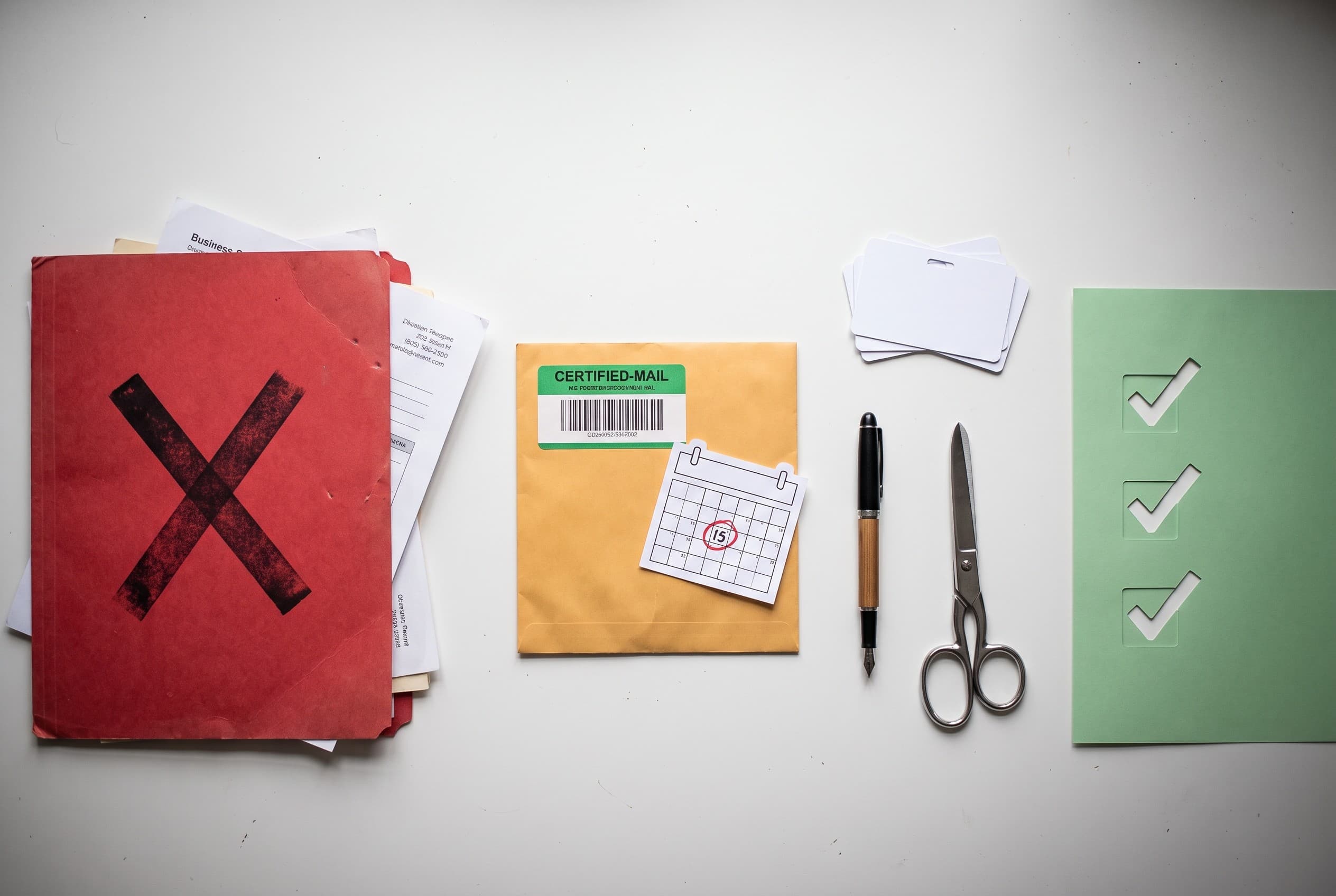
Mail a dispute letter — certified mail, return receipt — to each bureau reporting the error. Attach copies (never originals) of anything supporting you: payment confirmations, ID documents, statements. The certified receipt is your proof of when the clock started.
Step 4: Calendar the deadline
Count 30 days from the receipt date. If you filed in connection with your annual report and sent extra docs mid-investigation, count 45. Mark it. Don't refile before it hits — you'll reset everything.
Step 5: If it comes back "verified," demand the method of verification
This is the move most people never make. If the bureau says "verified" but you know it's wrong, send a method of verification request. Under FCRA § 611, you can ask them to describe the procedures they used to determine accuracy — including the name, address, and phone number of any furnisher they contacted. Half the time, no real investigation happened — they just ran an automated database match. When you force them to show their work, weak verifications fall apart.
Step 6: Escalate the ones that stick
Stubborn items — charge-offs, [collections](/collections removal), mixed files — usually need more than a single letter. That's where strategy comes in. You can keep fighting yourself, or bring in help.
Whether you're in Orlando, Kissimmee, or anywhere else in the state, the process runs the same — and we cover all of it on our [Florida credit repair](/credit repair across Florida) hub. If you're not sure whether to DIY or hire someone, we break down exactly how to choose in our FAQ.
Talk to a Real Credit Specialist — Free
The fastest way to get straight answers about your situation in Orlando and across Florida.
4.9 · 89 Google reviews · No upfront fee
Call (407) 606-7117Individual results vary. We help you dispute inaccurate, unverifiable, or outdated items — no one can remove accurate, current information from your credit report, and you can dispute it yourself for free with the bureaus.
Ready to stop waiting and start the clock? Call us at (407) 606-7117 and let's get your report cleaned up.
Frequently Asked Questions
How long does a credit bureau have to investigate a dispute in Florida?
A credit bureau has 30 days to investigate a dispute under FCRA Section 611, and this deadline applies the same in Florida as everywhere else. The 30-day clock starts the day the bureau receives your dispute. It can extend to 45 days when the dispute is filed in connection with your free annual credit report and you submit additional relevant information partway through the investigation. If the bureau doesn't complete the reinvestigation within the required timeframe, that can be a compliance violation — and you can escalate with a complaint, a follow-up dispute, or legal counsel. In many cases, items get deleted or corrected when the bureau can't verify them in time.
Can I dispute credit report errors in Florida myself for free?
Yes — you can dispute credit report errors yourself for free, directly with each credit bureau, and you never have to pay anyone to do it. The CFPB provides free step-by-step instructions and sample letters. You'll need to pull your reports from AnnualCreditReport.com, identify the specific error, and mail a detailed dispute with supporting documents. People typically hire a company when the simple disputes come back "verified" and they need a more strategic approach for stubborn items.
Why did my credit dispute take longer than 30 days?
Your dispute likely took longer than 30 days because you filed it in connection with your annual report and submitted additional documentation mid-investigation — which can legally extend the deadline to 45 days — or the bureau flagged the dispute as "frivolous" and paused it. A frivolous determination happens when a dispute is too vague or is a repeat submission with no new information. The fix is always the same: send specific, well-documented disputes that force a real investigation.
What is a method of verification request?
A method of verification request is a follow-up letter demanding that the credit bureau describe the procedures it used to verify a disputed item — including the name, address, and phone number of any furnisher it contacted. This right comes from FCRA Section 611. It's powerful because many "verifications" are just automated database matches, not real investigations. When you force the bureau to show its work, weak or lazy verifications often collapse and the item comes off.
What is a mixed credit file and how do I fix it?
A mixed credit file is when another person's accounts appear on your credit report because you share a similar name and part of your Social Security number. You fix it by filing a dispute under FCRA Section 611 with strong identity documentation — your full SSN card, ID, and address proof — showing the accounts can't be verified as yours. These disputes are complex and often take the full 45 days, but they can produce major score changes once the accounts are separated out.

Matt Brody
Founder, Freedom Credit Repair
Matt is the founder of Freedom Credit Repair based in Orlando, FL. Since 2019, Matt has helped clients remove negative items from their credit reports and take control of their financial future. Call (407) 606-7117 for a free consultation. More about Matt →