Secured vs Unsecured Credit Cards: Rebuild Credit in 2026

What You'll Learn
- The one critical difference between secured and unsecured cards that most "financial advice" sites get completely wrong
- Why picking the wrong card can actually stall your credit rebuilding for 12+ months (yes, really)
- The exact strategy I use with clients in Orlando to turn a $200 secured deposit into a 700+ credit score
- A real Windermere case study where a simple dispute turned a "settled" debt into a 45-point score jump — and how that connects to your card strategy
![[IMAGE:2] Instructional Visual — Overhead flat-lay shot on a clean white desk surface. On the left: a small stack of bills an](/_next/image?url=https%3A%2F%2Ftyyvgkzyojviljefkhzv.supabase.co%2Fstorage%2Fv1%2Fobject%2Fpublic%2Fimages%2Fblog%2Fsecured-vs-unsecured-credit-cards-rebuild-credit-in-2026%2Fbody-1.jpg&w=3840&q=75)
You Don't Need More Opinions — You Need a Plan
I'm going to save you three hours of scrolling Reddit threads and reading listicles that all say the same thing.
Here's the truth: the secured credit card vs unsecured credit card debate isn't really a debate at all. It's a question about where you are right now — your score, your income, your goals, and how much damage you're recovering from. Someone with a 520 after a repo in Kissimmee and someone with a 610 who just paid off collections in Lake Nona are in completely different fights. They need different tools.
I've been running Freedom Credit Repair in Orlando since 2019. And the number one mistake I see? People grab the first card that approves them, use it wrong, and wonder why their score flatlines for a year.
That stops today.
What Happens If You Pick Wrong (or Do Nothing)
Let me paint you a picture.
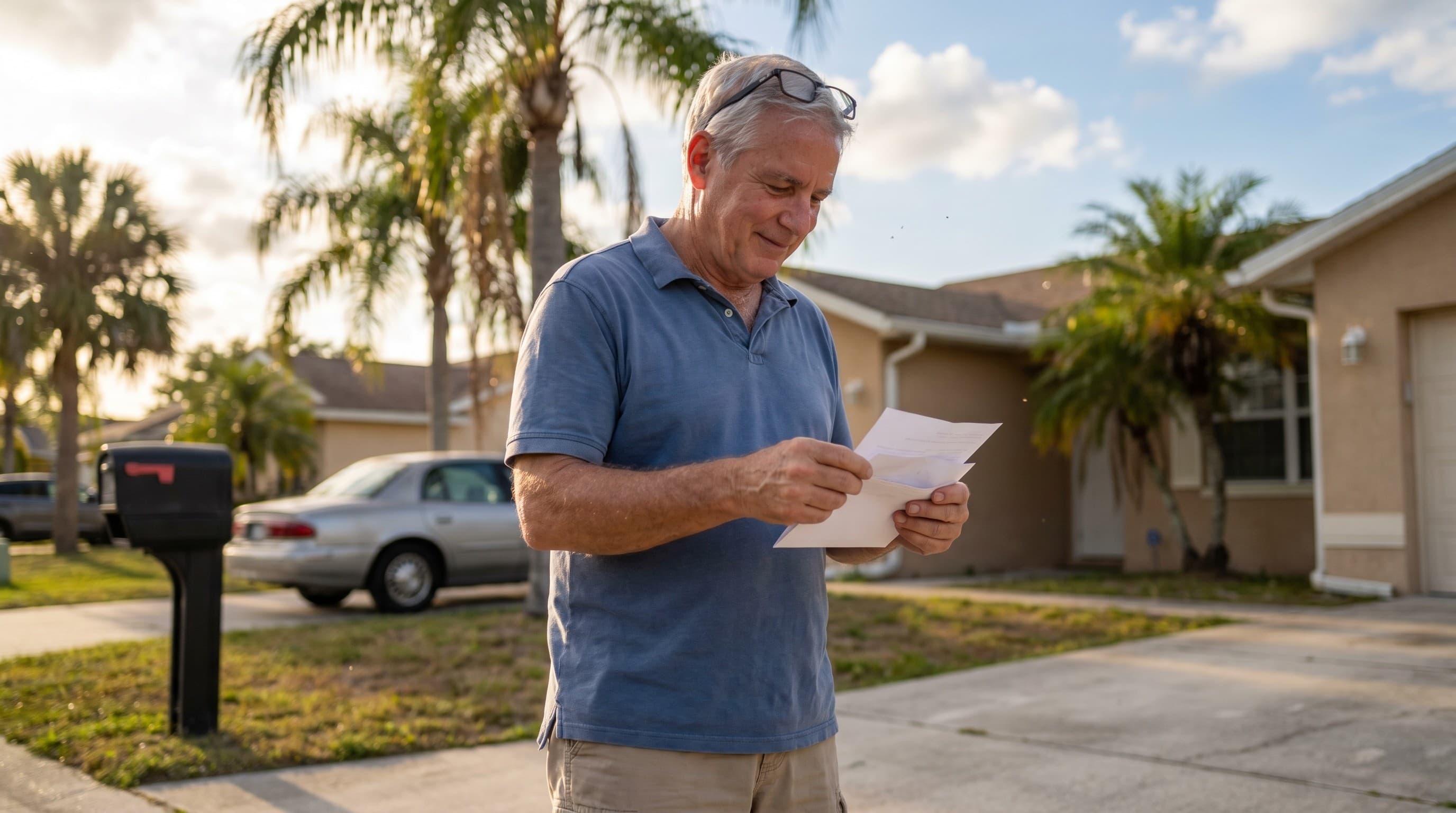
"Carlos" — not his real name — came to me last year from the Windermere area (that's West Orange County, just outside Orlando, for those not local). He'd been through the wringer. Settled a $12,000 credit card balance for $4,800. Thought he was done. Thought the nightmare was over.
It wasn't.
The creditor kept reporting the original $12,000 balance on his credit report. Not "settled for less than full amount." Not "$0 balance." The full twelve grand — like he still owed every penny. His utilization ratio was through the roof, and every time he applied for a new card to rebuild, he got denied. Know what the worst part is? He'd been sitting on this for months before he walked into my office. Months of suppressed scores, months of denials, months of thinking "I already handled this."
Here's the kicker: Carlos had also grabbed one of those predatory unsecured cards for bad credit — the kind with a $300 limit, a $75 annual fee, a $99 "program fee," and a monthly maintenance fee. By the time all the fees loaded onto the card, his utilization was already at 60% before he even swiped it once.
That's not rebuilding. That's treading water with weights on your ankles.
And I see this constantly. Especially with folks working in hospitality along I-Drive or Disney cast members dealing with biweekly pay cycles and seasonal hour cuts. They can't afford to waste six months on the wrong card. Every month counts.
If you do nothing — if you just keep using your debit card and hoping your score magically climbs — here's what actually happens: nothing. Your score doesn't move. You don't build positive payment history. And when you finally need credit for a car or an apartment (good luck finding a complex in Orlando that doesn't pull your report), you're starting from scratch.
How Secured Credit Cards Actually Work (No Fluff)
A secured credit card requires a cash deposit. That deposit becomes your credit limit. Put down $300, you get a $300 limit. That's it.
The bank isn't taking a risk on you — your own money is the safety net. That's why approval rates are so high even with terrible credit.
But here's what matters: the card reports to the three credit bureaus (Equifax, Experian, TransUnion) exactly like an unsecured card. There's no asterisk. No footnote that says "this person had to put down a deposit." To the scoring algorithm, it's just a revolving credit account with on-time payments.
That's the whole game. You're paying to rent a slot on your credit report that generates positive history every single month.
What to Look For in a Secured Card in 2026
- No annual fee (or under $30 — anything more and you're getting ripped off)
- Reports to all three bureaus — if it doesn't report to all three, walk away
- Automatic upgrade path — the best secured cards review your account after 6-12 months and convert you to an unsecured card, refunding your deposit
- Low minimum deposit — $200 is the sweet spot for most of my clients
The best secured credit cards for credit repair right now aren't flashy. They don't offer rewards points or cash back. They do one thing: report your payments. That's all you need.
![[IMAGE:3] Local Proof — A quiet residential street in the Windermere area of Greater Orlando at golden hour, shot at eye leve](/_next/image?url=https%3A%2F%2Ftyyvgkzyojviljefkhzv.supabase.co%2Fstorage%2Fv1%2Fobject%2Fpublic%2Fimages%2Fblog%2Fsecured-vs-unsecured-credit-cards-rebuild-credit-in-2026%2Fbody-2.jpg&w=3840&q=75)
Unsecured Credit Cards for Bad Credit — The Trap Nobody Warns You About
OK so here's where it gets interesting.
Yes, unsecured credit cards for bad credit exist. No deposit required. Sounds great, right?
Real talk — most of them are garbage.
I'm not saying all of them. But the ones that market specifically to people with scores under 580? They make their money on fees. Annual fees, monthly fees, setup fees, "credit protection" fees. I had a client in Pine Hills last year whose unsecured "rebuilding" card had $189 in fees loaded onto a $300 limit the day the card arrived. She hadn't bought a single thing, and her utilization was already 63%.
High utilization kills your score. FICO wants to see you using under 30% of your available credit. Under 10% is even better. When a card arrives pre-loaded with fees that eat half your limit, you're starting in a hole.
When an Unsecured Card Actually Makes Sense
There's an exception. If your score is already in the 600-650 range and you're rebuilding from a rough patch (not building from zero), some unsecured cards are worth looking at. Cards from credit unions — especially local ones here in Central Florida — sometimes offer unsecured cards with reasonable terms to members who have checking accounts in good standing.
But if your score is below 580? Secured card. Every time. No-brainer.
The "Loophole" That Changes Everything
Here's where my job gets fun.
Most people think credit rebuilding is just "get a card, make payments, wait." And that's part of it. But there's a whole other side — and it involves the Fair Credit Reporting Act (FCRA), Section 611.
Section 611 gives you the right to dispute any information on your credit report that's inaccurate, incomplete, or unverifiable. The credit bureau then investigates — they contact the furnisher (the creditor or collector who reported the info), and that furnisher has to verify the information is accurate under FCRA §623. If the furnisher can't confirm it, the bureau must delete or correct it. Sometimes that means full removal, sometimes it means updating the account to reflect accurate info. Either way, it works in your favor.
One thing I always tell clients: only dispute what's genuinely inaccurate or incomplete. Keep copies of everything you send. This isn't about gaming the system — it's about making sure your report reflects the truth.
Remember Carlos from Windermere? The guy with the $12,000 balance that should've shown as settled?
We filed a dispute with his settlement agreement as proof — the signed document showing the creditor accepted $4,800 as payment in full. The creditor had no choice. They updated the balance to $0 and changed the status to "settled." His utilization ratio dropped like a rock, and his score jumped 45 points in a single reporting cycle.
Forty-five points. From one dispute.
That's the power move that most people miss. You can be doing everything right with your new secured card — keeping utilization under 10%, paying on time every month — but if your old accounts are reporting inaccurately, you're fighting with one hand tied behind your back.
I tell every client: before you even think about which card to get, pull your reports and look for errors. Wrong balances, accounts that should show as settled or paid, collections that are past the reporting window — usually about 7 years from the date of first delinquency for most negative items, though some items have different rules. Attack those first.
We get this question all the time — check out our FAQ for a deeper breakdown on how disputes work and what timelines look like. [INTERNAL_LINK:credit-dispute-process]
The Action Plan: Secured Card Strategy That Actually Works
Here's the exact playbook I give clients at Freedom Credit Repair. Follow it. [INTERNAL_LINK:secured-card-strategy]
Step 1: Pull All Three Credit Reports
Go to AnnualCreditReport.com. It's free. Pull Equifax, Experian, and TransUnion. You're looking for:
- Collections that aren't yours
- Balances that are wrong (like Carlos's $12,000 ghost balance)
- Accounts that should show as closed, paid, or settled but don't
- Late payments that are inaccurate
Mark every error. Every single one.
Step 2: Dispute Every Inaccuracy
Under FCRA Section 611, send a written dispute to each bureau reporting the error. Include supporting documents — settlement letters, payment receipts, anything that proves your case. Only dispute what's genuinely inaccurate or incomplete, and keep copies of everything.
Don't use the online dispute portals if you can avoid it. Send certified mail with a return receipt. Paper trails win fights.
Step 3: Open a Secured Credit Card
While your disputes are processing (you'll hear back within 30 days), open a secured card. Here's your target profile:
- Deposit: $200-$500 (put down as much as you comfortably can — higher limit = easier to keep utilization low)
- Annual fee: $0 to $30 max
- Reports to: All three bureaus
- Upgrade path: Automatic review after 6-12 months
Step 4: The 10% Rule
This is non-negotiable. Never let your statement balance exceed 10% of your limit.
Got a $300 limit? Your statement balance should be $30 or less. Use the card for one small purchase per month — a tank of gas, a streaming subscription. Pay the statement balance in full by the due date. Not the minimum. The full balance.
I can't stress this enough: you are not using this card to buy things. You're using it to generate a positive data point every 30 days. That's the mission.
Step 5: Set It on Autopay (But Verify)
I know I said I hate it when people ignore their mail, and that goes double for autopay. Set up autopay to pay the full statement balance — but check it every month. Autopay fails. Banks change routing numbers. Your checking account dips below the threshold.
One missed payment erases months of progress. For my clients who are Disney cast members or working in hospitality with variable schedules, I tell them: pick a day every month (the 1st, the 15th, whatever) and verify the payment went through. Put it in your phone calendar. Treat it like a shift you can't miss.
Step 6: Graduate to Unsecured
After 6-12 months of perfect payments, your card issuer should offer to convert you to an unsecured card and refund your deposit. If they don't, call them and ask. If they still won't, apply for a better unsecured card with your improved score — and keep the secured card open. Closing it kills your average account age.
Once you're in the 650+ range, you can start looking at unsecured cards with actual benefits — cash back, no annual fee, higher limits. That's when the real momentum kicks in.
Secured Credit Card vs Unsecured Credit Card: The Bottom Line
Let me make this simple.
| Factor | Secured Card | Unsecured Card (Bad Credit) |
|---|---|---|
| Deposit Required | Yes ($200-$500 typical) | No |
| Approval Odds (under 580) | Very high | Low to moderate |
| Fees | Usually low or none | Often high and stacked |
| Starting Utilization | You control it | Often pre-loaded with fees |
| Upgrade Path | Most offer it at 6-12 months | Already unsecured |
| Reports to Bureaus | All three (verify first) | Usually all three |
| Best For | Scores under 600, rebuilding from scratch | Scores 600-650, light rebuilding |
If your score is under 600, a secured card to rebuild credit is hands down the smarter play. You control your utilization from day one. You avoid predatory fees. And you build the same positive history that an unsecured card would generate — without the traps.
If you're between 600 and 650, an unsecured card might work — but vet it hard. Read the fee schedule. Calculate what your utilization will look like after fees load. If the math doesn't work, go secured anyway.
The Stuff Nobody Else Will Tell You
Honestly, most people don't realize that the card itself is only half the equation. The other half is cleaning up what's already on your report.
I've seen clients obsess over which secured card to get — comparing rewards programs, reading reviews for hours — while sitting on three inaccurate collections and a balance that should've been updated to $0 six months ago. That's like choosing the perfect running shoes while ignoring the broken ankle.
Fix the report first. Then build new history. That's the one-two combo that actually moves the needle.
And if you're not sure where to start — or if looking at your credit report makes your eyes glaze over — that's literally what we do. credit repair in Orlando Give us a call at (407) 606-7117 and we'll walk through your report together. No pressure, no pitch. Just a plan.
Talk to a Real Credit Specialist — Free
The fastest way to get straight answers about your situation in Orlando and across Florida.
4.9 · 89 Google reviews · No upfront fee
Call (407) 606-7117Individual results vary. We help you dispute inaccurate, unverifiable, or outdated items — no one can remove accurate, current information from your credit report, and you can dispute it yourself for free with the bureaus.
FAQ: Secured Credit Card vs Unsecured Credit Card
Can a secured credit card really improve my credit score?
Absolutely — as long as the card reports to all three credit bureaus. The scoring models don't distinguish between secured and unsecured. On-time payments, low utilization, and account age all count the same. I've watched clients go from the low 500s to over 700 in 12-18 months using nothing but a single secured card and dispute letters. [INTERNAL_LINK:credit-repair-results]
How much should I deposit on a secured credit card?
As much as you can afford without straining your budget — $200 is the minimum at most issuers, but $500 gives you more breathing room on utilization. If you deposit $200 and your limit is $200, you can only charge $20/month to stay under 10%. With $500, you've got $50 of headroom. That makes the 10% rule way easier to hit.
Are unsecured credit cards for bad credit worth it?
Some are. Most aren't. The real deal-breaker is the fee structure. If a card charges $75+ in annual fees on a $300 limit, your utilization starts high and your score suffers. I tell my Orlando clients: read the Schumer Box (that's the fee disclosure table). Add up every fee. If total first-year fees exceed 15% of your credit limit, skip it.
How long does it take to rebuild credit with a secured card?
Most of my clients see meaningful improvement within 3-6 months — we're talking 30-60 point jumps — if they're also cleaning up inaccuracies on their reports at the same time. The card alone, with perfect usage, typically moves your score 40-80 points over 12 months. Combine it with successful disputes and you can compress that timeline dramatically.
Should I get more than one secured card?
Not right away. One card, used perfectly, is better than two cards creating more chances for mistakes. After 6 months of clean history, adding a second card (secured or unsecured) can help your credit mix — but only if you can manage both payments without slipping. I usually tell clients: master one before you add another.

Matt Brody
Founder, Freedom Credit Repair
Matt is the founder of Freedom Credit Repair based in Orlando, FL. Since 2019, Matt has helped clients remove negative items from their credit reports and take control of their financial future. Call (407) 606-7117 for a free consultation. More about Matt →