How to Remove Negative Items From Your Credit Report: FL Guide
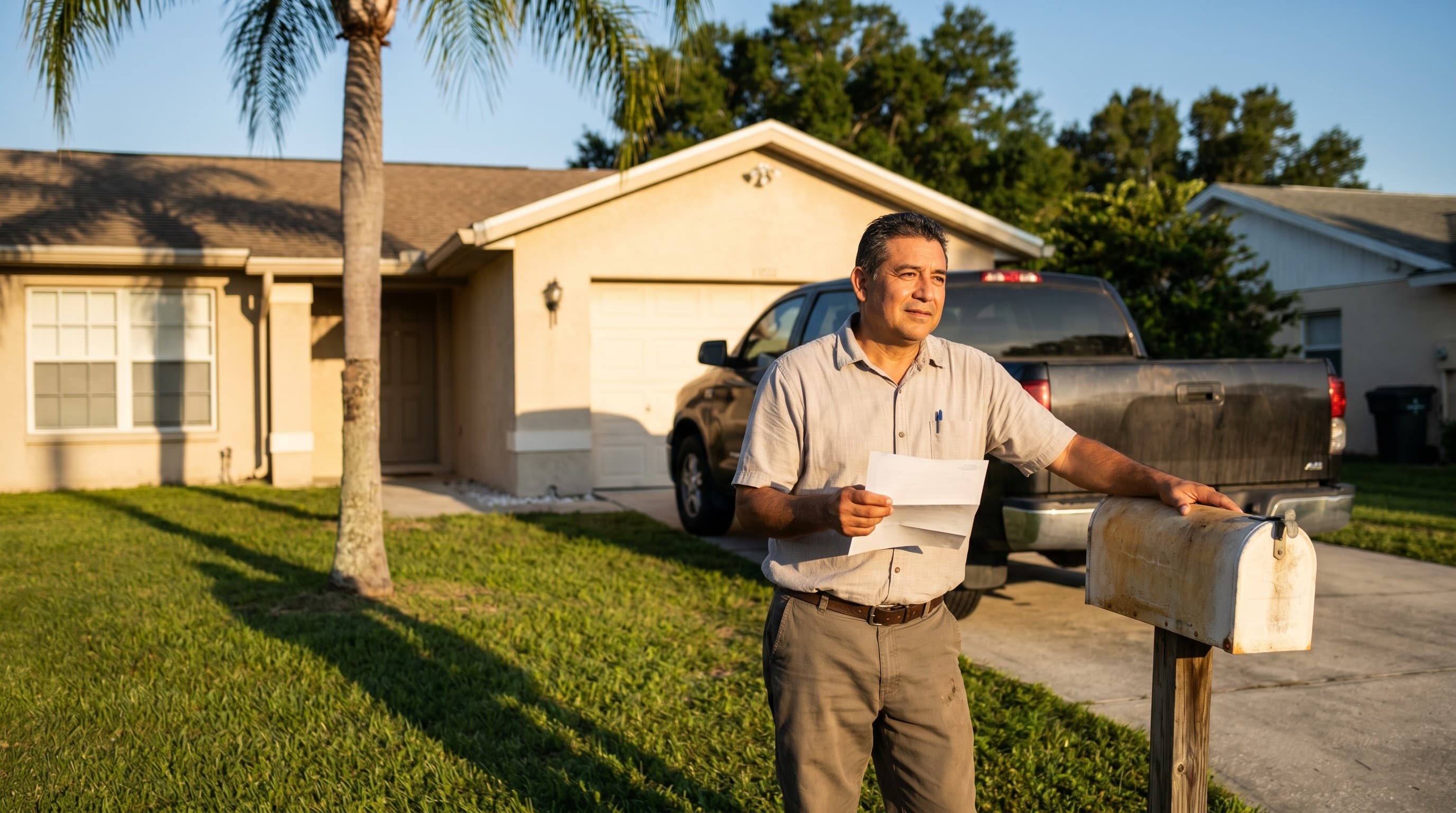
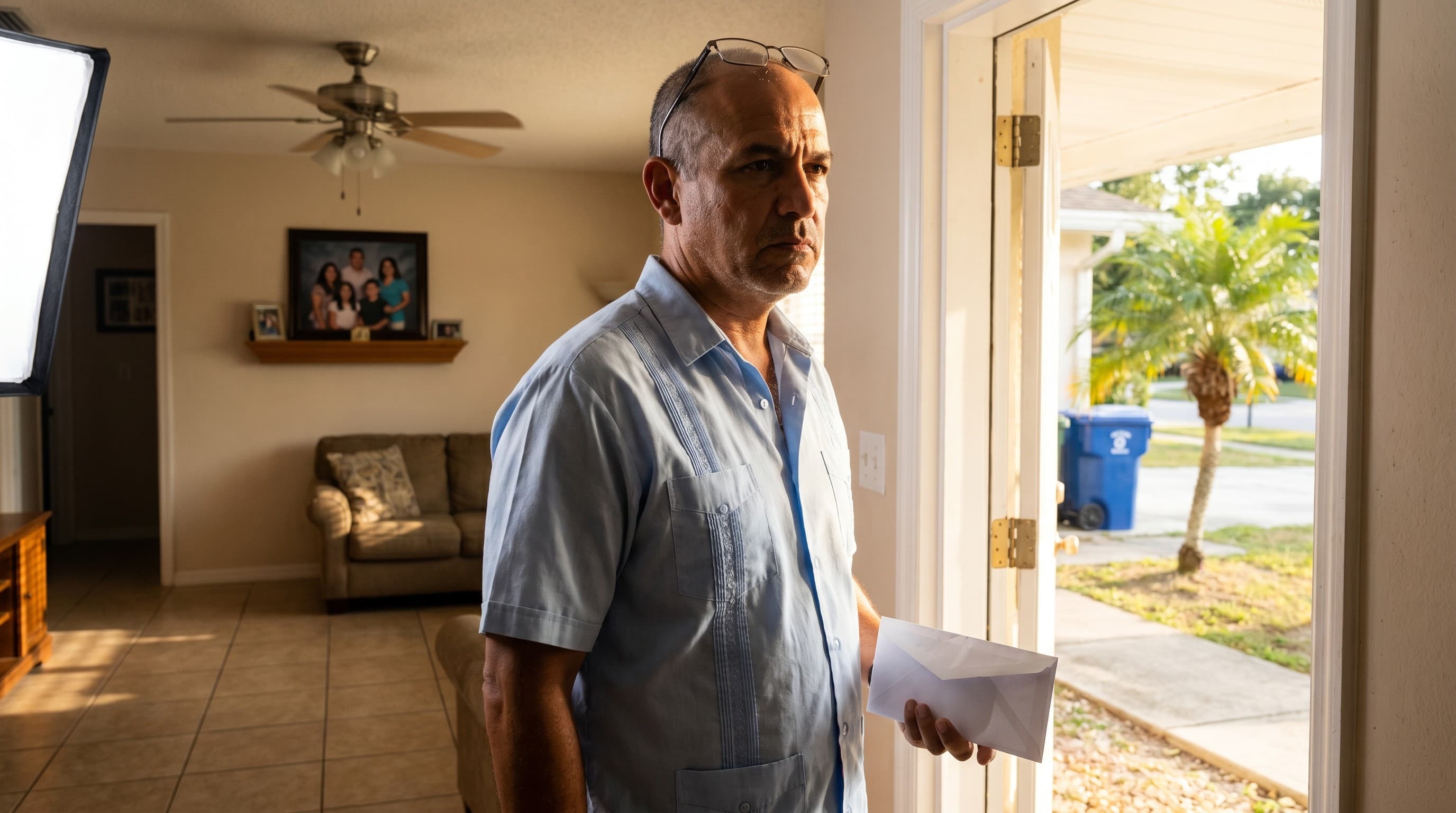
If you just pulled your credit report and your stomach dropped, take a breath. I've sat across the table from thousands of people here in Central Florida since 2019, and almost every one of them started in the exact same spot you're in right now: a screen full of red, a mortgage or car loan they want, and no idea which of these negative items they can actually do something about.
Here's the honest version. You can't wave a magic wand and erase accurate, current, verifiable debt — anyone who promises that is lying to you, and it's illegal under federal law for me to promise it either. But a huge chunk of what's dragging down Florida credit reports is wrong, out of date, or can't be verified when the bureaus are forced to check. That's the stuff we go after. And by federal law, you're entitled to dispute inaccurate information yourself, for free, directly with the bureaus.
This page is the map. I'll walk you through how the removal process actually works, then point you to the detailed Florida guide for whatever's on your report — whether that's an old JEA bill from a Jacksonville apartment, a repo from a Kissimmee dealership, or a SunPass charge you never knew about.
How Removing Negative Items Actually Works
Before we talk about specific items, understand the engine underneath all of this. Two federal laws do the heavy lifting.
The first is the Fair Credit Reporting Act. When you dispute an item, the credit bureaus have to investigate, usually within 30 days, and if the furnisher (the bank, collector, hospital) can't verify the information, it has to come off. That deadline is written into the law at FCRA 15 U.S.C. § 1681i. The bureaus' own watchdog, the Consumer Financial Protection Bureau, publishes plain-English guides on exactly this process.
The second is the Fair Debt Collection Practices Act. When a collector contacts you, you have the right to demand validation of the debt under FDCPA 15 U.S.C. § 1692g. If they can't produce proof you actually owe it, in the amount they claim, to the party they claim — they're not supposed to keep reporting it.
So the real question on every line of your report isn't "do I owe this?" It's "can they prove it, exactly as reported, if I make them?" You'd be shocked how often the answer is no. Debt gets sold three and four times, balances drift, dates get scrambled, account numbers don't match. Those errors are your leverage.
The order matters
A quick operator note most people miss: you don't dispute everything at once. I sequence it. We hit the most clearly inaccurate, easiest-to-knock-off items first, confirm the bureaus are responding properly, then move to the harder accounts. Firing 18 disputes on day one is how you get a "frivolous" stall letter. Patience wins this game.
Collections, Charge-Offs, and the Big Account Killers
These are the items that do the most damage to a Florida buyer trying to qualify for a mortgage, so this is usually where we start.
Collections are their own beast because a third party now owns the debt, which means new chances for error. Start with how to remove collections from your credit report in Florida, then if it's already been paid, read can a paid collection be removed from your credit report — because a paid collection can still tank your score, and that surprises people.
Charge-offs confuse almost everyone, so I wrote two guides. For the strategy, see charge-offs: can you remove them (FL guide), and for the timeline plus three concrete removal angles, read how long does a charge-off stay on your credit report (3 ways to remove it).
If your report shows an account marked "settled," that status can quietly hurt you the same way a collection does. Settled account on credit report: what it means and how to fix it breaks down how to clean it up.
Repossessions and Foreclosures
Florida is a car state — if you commute I-4 or the Turnpike, you need a vehicle — and repos are everywhere on the reports I see.
If you've had a car taken back, start with how to remove a repossession from your credit report, and for how long it legally sticks plus Florida-specific angles, read repossession on credit report: how long it stays and removal in FL. Florida's deficiency-balance rules and the dealer's notice requirements after a repo are technical, and missed steps on their end can become your dispute.
For homeowners who lost a property in the 2008-era wave or more recently, remove a foreclosure from your credit report: 2026 dispute guide covers what's reachable and what isn't.
Talk to a Real Credit Specialist — Free
The fastest way to get straight answers about your situation in Orlando and across Florida.
4.9 · 89 Google reviews · No upfront fee
Call (407) 606-7117Individual results vary. We help you dispute inaccurate, unverifiable, or outdated items — no one can remove accurate, current information from your credit report, and you can dispute it yourself for free with the bureaus.
Medical Debt and Florida Utility Collections
The rules on medical debt have changed fast, and a lot of what's on your report may not even belong there anymore.
Read can medical debt be removed from your credit report: 2025 rules for the current national rules, then remove medical bills from credit report: Florida rights and tactics for how we handle Florida hospital and lab collections specifically.
Utility collections are a Central Florida specialty of mine. If you moved out of an apartment and a balance from the power or water company popped up, see JEA, OUC and TECO collections: remove Florida utility bills from credit. I had an Orlando client last year with a $312 OUC final-bill collection from an apartment she'd moved out of two years prior — the collector couldn't produce the move-out meter reading, and it came off her report. That little balance was the only thing standing between her and a conventional mortgage rate.
Late Payments, Inquiries, and Pay-for-Delete
Not every negative item is a full account in collections. Some of the highest-value wins are the small, fixable ones.
Late payments are tricky because even accurate ones can sometimes be addressed through a creditor's goodwill. Start with the goodwill adjustment letter: get late payments removed in 2025, and for the broader playbook see remove late payments from credit report — even accurate ones.
Hard inquiries are smaller, but if you applied for a lot of credit at once they add up. Remove hard inquiries from your credit report: 2026 dispute tactics shows which inquiries are actually challengeable.
And if you're considering negotiating directly with a collector, do it the right way — get the deletion in writing before you pay a dime. Pay for delete letter: how to write one that actually works has the exact language. A handshake means nothing here.
Public Records: Judgments, Tax Liens, and Bankruptcy
These carry the heaviest weight and the most specific rules, several of them Florida-specific.
For court judgments, read remove a judgment from your credit report in Florida — Florida has its own statute of limitations and re-recording quirks that matter enormously here. For liens, see how to remove a tax lien from your credit report. And if you filed bankruptcy, how to remove a bankruptcy from your credit report early (2026) explains what's realistic and what's a scam.
If you're looking for the bigger picture on how all of this fits into rebuilding your file here in the state, my credit repair across Florida overview ties the whole strategy together.
The Florida-Specific Junk: Tolls and Zombie Debt
Two things I see on Central Florida reports more than anywhere else.
First, toll collections. If you've ever driven the 408, 417, or 528 without a transponder, a Toll-by-Plate bill may have quietly gone to collections. Toll-by-plate collections on your credit report: dispute SunPass and E-PASS in Orlando walks through it — and these are frequently disputable because the billing notice never reached the right address.
Second, zombie debt: old accounts past Florida's statute of limitations that shady buyers try to revive. Zombie debt in Florida: old debts, shady collectors, your rights explains your rights and the one move that can accidentally restart the clock. Florida's general statute of limitations on debt is four to five years depending on the type — knowing that date is power. The Federal Trade Commission has solid plain-language resources on time-barred debt, too.
You Can Do This Yourself — Or Bring Me In
I'll say it plainly because it's the law and it's the truth: everything I've linked above, you have the legal right to do yourself, for free. The bureaus and the CFPB give you the tools.
What I sell is speed, sequencing, and not having to learn this while you're also working a job and raising kids. I know which Florida collectors fold and which ones fight, which letters get a "frivolous" stamp, and how to keep your dispute clean so it sticks. If you'd rather have someone who's been doing this since 2019 read your report and tell you exactly what's reachable, book a schedule a free consultation and we'll go line by line together.
No upfront fees for work not performed, no guarantees on a number, no promises to remove anything that's accurate and verifiable. Just a real plan for the items that shouldn't be there.
Pick the guide that matches what's on your report, or call me at (407) 606-7117 and let's get you moving.

Matt Brody
Founder, Freedom Credit Repair
Matt is the founder of Freedom Credit Repair based in Orlando, FL. Since 2019, Matt has helped clients remove negative items from their credit reports and take control of their financial future. Call (407) 606-7117 for a free consultation. More about Matt →