Zombie Debt in Florida: Old Debts, Shady Collectors & Your Rights
What You'll Learn
- The sneaky reason zombie debt collectors target Florida residents — and the one mistake that resets the clock on a debt you thought was dead
- The exact federal law that forces creditors to prove their claims before you owe them a dime
- Florida's statute of limitations on debt and why the number of years matters more than the collector's threats
- A step-by-step action plan to kill zombie debt for good — including how to get it off your credit report and tenant screening files
![[IMAGE:2] Instructional Visual — Overhead flat-lay on a clean white desk showing the lifecycle of zombie debt as a physical p](/_next/image?url=https%3A%2F%2Ftyyvgkzyojviljefkhzv.supabase.co%2Fstorage%2Fv1%2Fobject%2Fpublic%2Fimages%2Fblog%2Fzombie-debt-in-florida-old-debts-shady-collectors-your-rights%2Fbody-1.jpg&w=3840&q=75)
Your Phone Rings. The Debt Is From 2014. Now What?
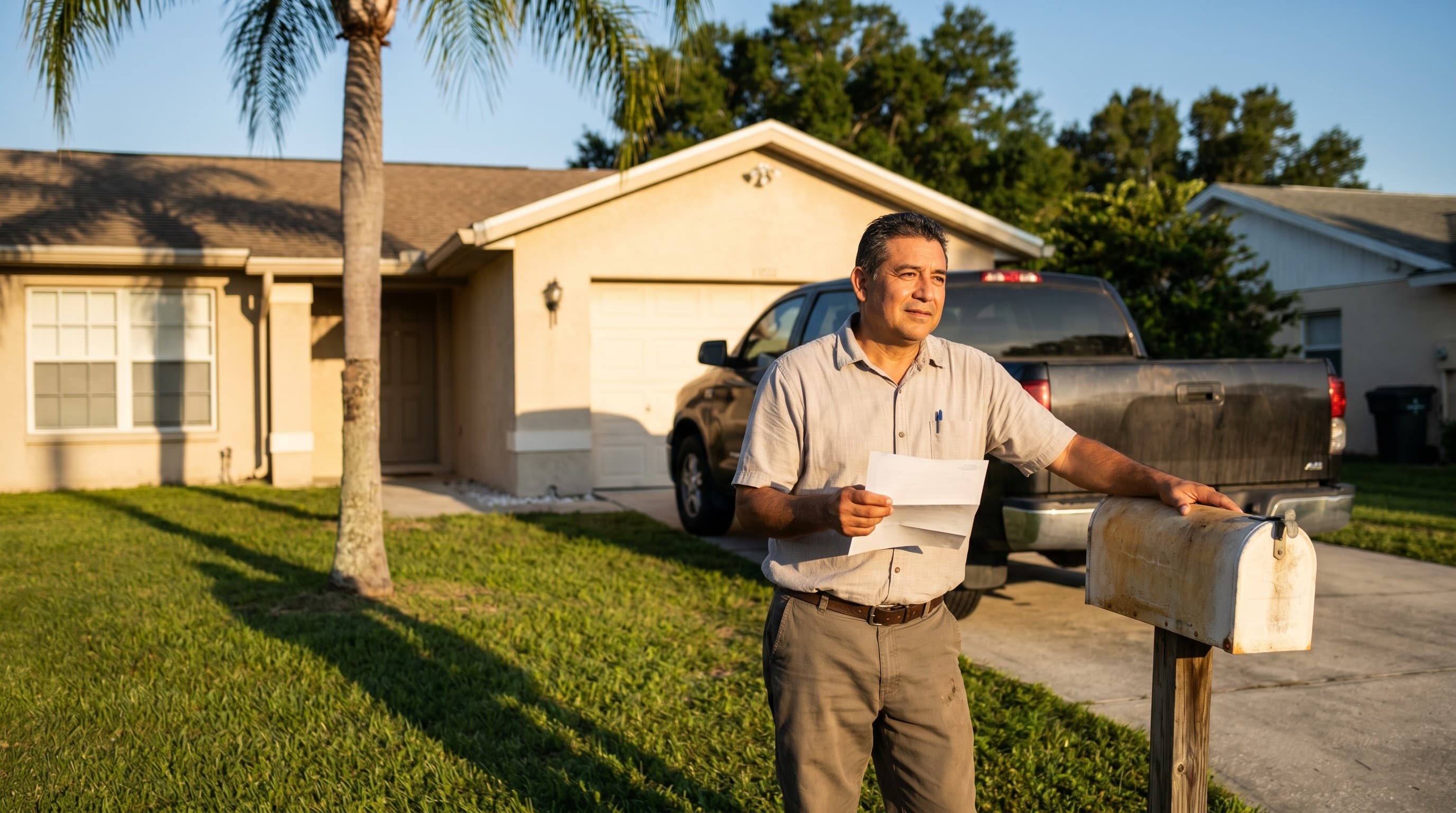
You pick up an unknown 407 number and some guy from a junk debt buyer — let's call them "Asset Recovery Solutions" — tells you that you owe $3,200 from a credit card you closed a decade ago. He's polite at first. Then he mentions legal action.
Your stomach drops.
That feeling? That's what zombie debt collectors are counting on. They buy old, expired, often inaccurate debts for pennies on the dollar — sometimes two or three cents per dollar of face value — and then they call you like it's 2015 all over again.
Here's the kicker: most of the time, they can't legally force you to pay. But they don't need to. They just need you to panic.
I've been doing credit repair in Orlando since 2019, and zombie debt is one of the most common problems that walks through my door at Freedom Credit Repair. It hits hospitality workers, theme park employees, people who went through a rough patch during COVID and thought they'd moved on. And it doesn't just show up as phone calls — it shows up on credit reports, tenant screening reports, even employment background checks.
Let me tell you exactly what zombie debt is, why these collectors are calling you, and how to shut them down.
What Is Zombie Debt, Exactly?
Zombie debt is any old debt that's likely time-barred — meaning the collector may be past the deadline to successfully sue you, if you raise the statute of limitations as a defense. Collectors can still file a lawsuit. You still have to respond in court. But the law is on your side if the clock has run out and you actually show up and fight.
These debts get bought and sold in bulk portfolios. A hospital in Orlando charges off your $1,800 ER bill from 2016. They sell it to a collection agency. That agency can't collect, so they sell it to another one. Then another. Each time, the data gets a little more garbled. Sometimes the amount changes. Sometimes your name gets misspelled. Sometimes they try to collect from the wrong person entirely.
Common types of zombie debt I see in Central Florida:
- Old credit card balances from the 2008-2012 recession era
- Medical bills from hospitals that merged or changed billing systems
- Utility bills from apartments you moved out of years ago
- Deficiency balances from repossessed cars
- Apartment lease break fees from complexes that got bought by new management
And here's where it gets ugly. Sometimes zombie debt isn't even a debt you actually owe.
![[IMAGE:3] Local Proof — The exterior of the Orange County Courthouse in downtown Orlando on a bright, hazy Florida afternoon,](/_next/image?url=https%3A%2F%2Ftyyvgkzyojviljefkhzv.supabase.co%2Fstorage%2Fv1%2Fobject%2Fpublic%2Fimages%2Fblog%2Fzombie-debt-in-florida-old-debts-shady-collectors-your-rights%2Fbody-2.jpg&w=3840&q=75)
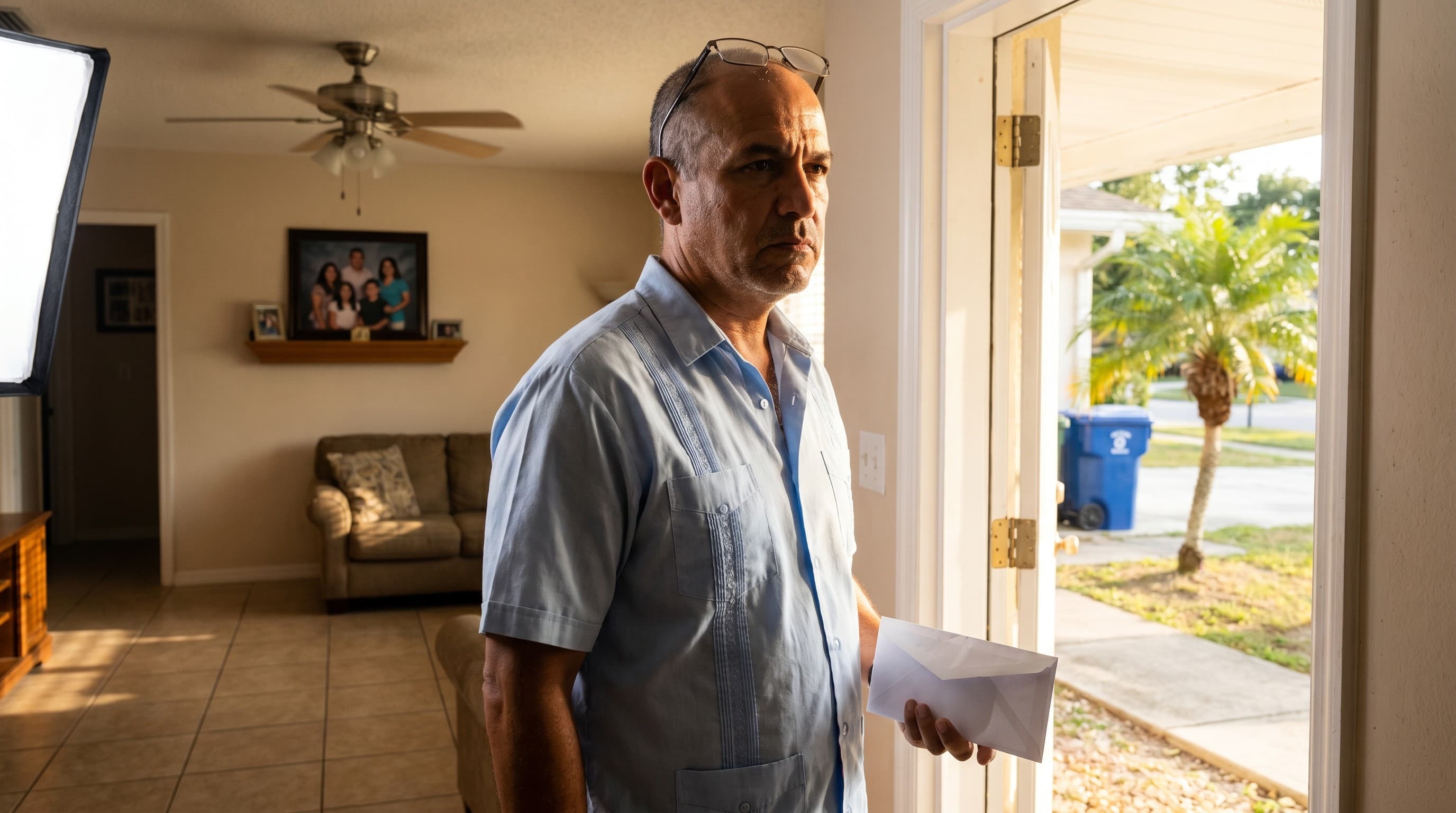
I had a client in Downtown Orlando last year — let's call him "Marco" — who started getting collection calls about an eviction-related debt from a Downtown Orlando apartment complex. Marco was confused because he'd moved out voluntarily. Never broke the lease. Paid every month's rent on time. But when he pulled his tenant screening report, there was an eviction filing sitting on his record like a landmine.
Turns out, the complex had filed an eviction action against him — probably some administrative mix-up or an overzealous property manager — but it was never adjudicated. The case just sat there in the court system, and it got picked up by LexisNexis and the tenant screening databases. A debt collector then used that filing as "proof" Marco owed money.
He didn't owe a dime. But that phantom filing was wrecking his ability to rent a new apartment. Sound familiar?
I'll tell you how we fixed it in a minute. But first, you need to understand what happens if you ignore zombie debt.
The "Do Nothing" Disaster
Real talk — I know the temptation. You get a call about a 10-year-old debt and your brain says, "Just ignore it. It'll go away."
It won't.
Here's what actually happens when you do nothing:
1. They report it to the credit bureaus.
Even if the debt is time-barred (meaning they likely can't win a lawsuit against you), some zombie debt collectors will slap a new collection account on your credit report. If you don't dispute it, it can keep dragging your score down for years. If you do dispute under FCRA §611, the bureaus must investigate — usually within 30 days. Your score tanks 50, 80, sometimes 100+ points overnight.
2. They re-age the debt.
This is illegal, but it happens constantly. Re-aging means they change the "date of first delinquency" on the debt to make it look newer than it is. Under the FCRA, a negative account can only stay on your credit report for 7 years from the date of first delinquency. When a collector re-ages a debt, they're resetting that 7-year clock. That's a violation of the Fair Credit Reporting Act, Section 605(c) — and it's one of the most common violations I see.
3. They sue you anyway.
Yes, even on time-barred debt. Can collectors sue on old debt? Technically, anyone can file a lawsuit. The question is whether they'll win. In Florida, if the statute of limitations has expired, you have an affirmative defense — but you have to actually show up to court and raise that defense. If you ignore the lawsuit and they get a default judgment? They win. And now they can garnish your wages.
I can't stress this enough: a default judgment turns a dead debt into a living, breathing garnishment. I've seen this happen to Disney cast members, nurses at AdventHealth, servers on I-Drive — people who assumed the lawsuit was a bluff and tossed the papers in the trash.
Don't be that person.
4. They wreck your ability to rent, buy a car, or get a mortgage.
Remember Marco? That phantom eviction filing didn't just cost him sleep. It got him denied at three apartment complexes in the Orlando area. One of them was a complex in Waterford Lakes that auto-denies anyone with an eviction on their tenant screening report — doesn't matter if it was dismissed, never adjudicated, or flat-out wrong. Their system just sees "eviction" and spits out a denial.
That's the world we live in. Algorithms don't care about context.
Florida's Statute of Limitations on Debt — Know Your Numbers
This is the single most important thing to understand about zombie debt in Florida. The Florida statute of limitations on debt determines how long a creditor has to sue you. Once that window closes, the debt is time-barred.
Florida's deadlines (Florida Statutes §95.11):
- Written contracts (personal loans, many credit cards): 5 years
- Oral contracts: 4 years
- Promissory notes: 5 years
- Open accounts (store credit, revolving lines): 4 years
Important: Classification can be fact-specific — especially credit cards, which sometimes get argued as open accounts (4 years) instead of written contracts (5 years). If you're close to the deadline, get legal advice before paying or talking strategy.
The SOL usually runs from when the account went into default — often tied to your last missed payment. But the exact start date can depend on the contract terms and the specific facts of your situation.
So if you stopped paying a credit card in March 2019, the statute of limitations likely expires around March 2024. After that? They can call you. They can send letters. But they probably cannot win a lawsuit against you if you raise the SOL defense in court.
Now here's where it gets interesting.
The Partial Payment Trap
Making even a small payment on a time-barred debt can risk restarting the statute of limitations in Florida — or at minimum give the collector a much stronger case against you. This is the single biggest mistake I see people make.
Zombie debt collectors know this. That's why they'll say things like, "Just pay $50 to show good faith and we'll work with you." They're not being generous. They're trying to reset your legal clock.
Don't fall for it. Don't pay a penny — and don't even acknowledge the debt is yours — until you've confirmed the dates and your strategy.
We get this question all the time — check out our FAQ for the full breakdown on what to do (and what NOT to do) when collectors call.
The Legal Loopholes That Kill Zombie Debt
OK so here's the part where I put on my boxing gloves. You've got more legal firepower than you think.
FDCPA Section 809 — Demand Validation
The Fair Debt Collection Practices Act gives you the right to demand that any collector prove you owe the debt. This is called a "debt validation request," and it's your best weapon.
Within 30 days of first contact, you send a written letter (certified mail, return receipt) demanding:
- The name of the original creditor
- The exact amount owed and how it was calculated
- Proof that you — not someone with a similar name — are the actual debtor
- Proof that the collector is licensed to collect in Florida
Here's the beautiful part: after you request validation within that 30-day window, they must pause collection efforts until they send you the validation. If they keep calling or sending letters without validating? They're violating federal law. If they report or continue reporting inaccurate info during this time, dispute it under FCRA §611 and consider filing a CFPB complaint or talking to an attorney.
You can sue for up to $1,000 in statutory damages per lawsuit, plus actual damages and attorney's fees, under FDCPA §813 — depending on the facts of your case.
I've had zombie debt collectors straight-up disappear after getting a validation letter. They bought the debt for $0.03 on the dollar. They don't have the original paperwork. They can't validate it. Game over.
FCRA Section 611 — Dispute Inaccurate Reporting
If zombie debt shows up on your credit report, you dispute it directly with the credit bureaus under the Fair Credit Reporting Act. The bureaus have 30 days to investigate (sometimes 45 if you submit additional documentation). If the collector can't verify the account, the bureau must remove it.
This is exactly how we handled Marco's situation. The eviction filing was never adjudicated — no judgment, no ruling, nothing. We got the landlord to confirm in writing that all rent was paid and that the filing should never have remained on record. Then we disputed the inaccurate entries in his tenant screening databases — NSMG, RealPage, CoreLogic — and got them corrected through LexisNexis as well.
Removed. Completely wiped from his screening reports.
Marco went from getting auto-denied at apartment complexes to signing a lease at a spot near Baldwin Park within six weeks. That's what happens when you fight back with the right paperwork.
FCCPA (Florida) + FDCPA (Federal) Protections
Florida has its own consumer protection law — the Florida Consumer Collection Practices Act (FCCPA, §559.72). It's actually stricter than the federal FDCPA in some ways. Under the FCCPA, a collector who makes threats they can't legally carry out — like threatening to sue on a time-barred debt — can be liable for actual damages, statutory damages, and your attorney's fees.
The bottom line: you're not defenseless. Not even close.
Your Zombie Debt Action Plan — Step by Step
Stop panicking. Start fighting. Here's exactly what to do:
Step 1: Don't Say a Word on the Phone
When a collector calls about old debt, do not confirm the debt is yours. Don't give them your Social Security number. Don't offer to "work something out." Don't make a payment of any amount.
Say this: "Send me written verification of this debt. I'm not discussing anything over the phone." Then hang up.
I know that feels rude. It's not. It's smart.
Step 2: Pull Your Credit Reports
Go to AnnualCreditReport.com and pull all three bureau reports (Equifax, Experian, TransUnion). Look for:
- Any collection accounts you don't recognize
- Accounts with dates that look wrong (re-aging)
- Duplicate entries for the same debt
- Public records like judgments or eviction filings
Write down every suspicious entry. Note the creditor name, account number, date opened, date of first delinquency, and balance.
Step 3: Send a Debt Validation Letter (Certified Mail)
Within 30 days of the collector's first contact, mail a debt validation letter via certified mail with return receipt requested. Keep the green card when it comes back — that's your proof.
Your letter should demand:
- Full documentation of the original debt
- A complete payment history
- Proof of their legal authority to collect in Florida
- The name and address of the original creditor
Do NOT include your Social Security number in this letter. Do NOT acknowledge the debt. Just demand proof.
Step 4: Check the Statute of Limitations
Figure out when you last made a payment on the debt. If it's been more than 5 years (for written contracts) or 4 years (for open accounts), the debt is likely time-barred in Florida. Mark this date. If you're anywhere near the borderline, talk to a professional or an attorney before doing anything else.
If the debt IS time-barred, you now know they probably can't win a lawsuit against you — as long as you show up to court and raise the SOL defense if they try.
Step 5: Dispute with the Credit Bureaus
File disputes with all three credit bureaus for any zombie debt accounts on your reports. You can do this online, but I always recommend doing it by mail (yes, snail mail) because it creates a paper trail.
Include:
- A clear statement of what you're disputing and why
- Any supporting documentation (validation letter, statute of limitations evidence, proof of payment)
- A copy of your credit report with the disputed items circled
The bureaus have 30 days to investigate. If the collector can't verify, the item gets deleted.
Step 6: Check Your Tenant Screening and LexisNexis Reports
Most people don't know this (trust me on this), but your credit report isn't the only report that matters. Landlords pull tenant screening reports from companies like NSMG, TransUnion SmartMove, and CoreLogic. And employers sometimes pull LexisNexis reports.
If there's zombie debt or a phantom court filing on those reports — like Marco's eviction — you won't even know until you get denied.
You can request your LexisNexis consumer report for free once a year at consumer.risk.lexisnexis.com. Do it.
Step 7: Document Everything
Every call, every letter, every date and time. If a collector violates the FDCPA or FCCPA — calling before 8am or after 9pm, using abusive language, threatening to sue on time-barred debt, continuing to collect after you've demanded validation — you have grounds for a lawsuit against THEM.
And honestly? FDCPA attorneys in Florida work on contingency. You don't pay them — the collector does.
Talk to a Real Credit Specialist — Free
The fastest way to get straight answers about your situation in Orlando and across Florida.
4.9 · 89 Google reviews · No upfront fee
Call (407) 606-7117Individual results vary. We help you dispute inaccurate, unverifiable, or outdated items — no one can remove accurate, current information from your credit report, and you can dispute it yourself for free with the bureaus.
The Bigger Picture: Why Zombie Debt Hits Central Florida So Hard
I've been doing this in Orlando since before the 2008 crash, and I can tell you — this area gets hammered by zombie debt more than most places.
Why? Because Central Florida's economy runs on hospitality and tourism. When COVID shut down the parks and I-Drive went dark, thousands of people fell behind on bills. Credit cards, car payments, medical bills — all of it went into default between 2020 and 2021.
Fast forward to 2024 and 2025. Those debts are now 3-5 years old. They've been charged off and sold to junk debt buyers. And now the calls are starting.
I've had clients come in from Kissimmee, Pine Hills, Poinciana, and Sanford all dealing with the same thing — old debt collection calls from companies they've never heard of, demanding money on debts they thought were settled or forgotten.
The collectors know that a lot of these folks are working hourly jobs without the time or resources to fight back. They're counting on you not knowing your rights.
That's exactly what we fight at Freedom Credit Repair. We send the validation letters. We file the disputes. We check the statute of limitations. And when collectors break the law — which happens more often than you'd think — we connect you with attorneys who'll make them pay.
Frequently Asked Questions About Zombie Debt in Florida
Can a debt collector sue me on a debt that's 10 years old in Florida?
They can file a lawsuit, but they almost certainly can't win. Florida's statute of limitations on most consumer debts is 4-5 years. If the debt is time-barred, you raise the statute of limitations as an affirmative defense. But you MUST respond to the lawsuit — if you ignore it, the collector can get a default judgment regardless of how old the debt is.
What's the difference between the statute of limitations and the credit reporting time limit?
Two completely different clocks. The statute of limitations (4-5 years in Florida) determines how long a collector can sue you. The credit reporting time limit (7 years under the FCRA) determines how long the debt can appear on your credit report. A debt can be off your credit report but still within the statute of limitations — or vice versa.
What is re-aging debt and is it illegal?
Re-aging is when a collector changes the date of first delinquency on a debt to make it appear newer, which extends how long it stays on your credit report. This violates the FCRA, Section 605(c). If you spot a date that doesn't match your records, dispute it immediately with the credit bureaus and file a complaint with the CFPB.
Can I stop zombie debt collectors from calling me?
Yes. Under the FDCPA, you can send a written cease-and-desist letter demanding they stop contacting you. Once they receive it, they can only contact you to confirm they'll stop or to inform you of a specific action (like filing a lawsuit). Send it certified mail.
Should I pay zombie debt to make it go away?
Almost never — and definitely not without understanding the consequences first. Paying even a small amount can risk restarting the statute of limitations in Florida, potentially giving the collector the right to sue you again. It can also cause the debt to "re-appear" on your credit report with an updated date. Talk to a credit repair professional before making any payment on old debt.
Stop letting dead debts haunt your credit. If zombie debt collectors are calling you, showing up on your credit report, or wrecking your ability to rent or buy in Central Florida — that's exactly the kind of fight I handle every day. Call me at (407) 606-7117 or visit Freedom Credit Repair to get a game plan.

Matt Brody
Founder, Freedom Credit Repair
Matt is the founder of Freedom Credit Repair based in Orlando, FL. Since 2019, Matt has helped clients remove negative items from their credit reports and take control of their financial future. Call (407) 606-7117 for a free consultation. More about Matt →