How the FCRA Dispute Process Works to Fix Credit Report Errors in Florida

If there's a wrong item sitting on your credit report right now, ignoring it won't make it disappear. It'll sit there and cost you — a higher interest rate, a denied apartment application, a car loan you didn't get. So let's talk about how to fight it the right way.
The federal law that lets you dispute credit report errors in Florida is the Fair Credit Reporting Act (FCRA). It's not some loophole. It's a straight-up federal right, and it works. But most people don't use it because they don't understand how the machine actually runs.
I'm going to walk you through it like I would a client sitting across my desk in Orlando.
What You'll Learn
- The exact federal rule that forces the bureaus to investigate your dispute within a hard deadline — and what happens when they miss it
- Why "unverifiable" is the magic word that gets inaccurate items removed (and it's not what you think)
- How a former roommate's skipped rent nearly wrecked one Winter Garden client — and how we killed the tradeline
- The DIY route you can take for free, plus the honest truth about where paying someone actually saves you time
Here's the Problem: Errors Are Everywhere
Credit reports are wrong. A lot. The federal government's own studies have found that a big chunk of consumers have at least one error on their reports serious enough to affect their score.
Look, the bureaus — Equifax, Experian, TransUnion — aren't verifying every scrap of data that gets dumped into your file. They're processing billions of data points from thousands of creditors and collection agencies. Mistakes get baked in. Identity mix-ups. Old debts that should've fallen off. Balances that are flat-out wrong.
And here's the thing that drives me crazy: the error is on YOU to catch it. The system won't fix itself. Nobody at Experian is going to call you and say "hey, we noticed this looks off." (I wish.)
Real talk — I had a client in Winter Garden last year who got absolutely hammered by an error that wasn't even her fault. Her former roommate was on the lease with her, and the roommate skipped out owing three months of rent. Total balance: $4,500. The apartment complex turned around and reported the full $4,500 against both tenants — including my client, who had paid her half on time every single month.
Sound familiar? This kind of thing wrecks people. She found out when she got denied for a car loan.
The Scare: What Happens If You Do Nothing
Let me be blunt about where this goes if you just let it sit.
That inaccurate collection or charge-off keeps dragging your score down every single month it's reported. In Central Florida, I've seen plenty of Orlando-area properties — out on Sand Lake, over in Pine Hills — auto-deny anyone under a 620. One bad tradeline is the difference between getting the keys and getting rejected.
It gets worse. If a collection agency believes you owe money — even wrongly — they can sue you. In Florida, the deadline to sue depends on the type of claim and when the cause of action accrued. Five years is the number you'll commonly hear for a written contract like a lease or credit card — but it's not that simple. Credit card debt can get argued under different theories, and leases vary. Don't treat "five years" as gospel for your situation; confirm with a lawyer for your facts. If they win a judgment, they can garnish wages (Florida does protect the wages of a "head of family" — that's a real state protection, but it's not automatic and it's not universal). They can put a lien on non-homestead property.
And the whole time, you're paying the "bad credit tax" — higher rates on everything. A 590 score versus a 720 on a $30,000 car loan can cost you thousands over the life of the loan.
So no. Doing nothing is not a plan.
Your Legal Leverage: The FCRA Dispute Process
Here's where you punch back.
Under the FCRA, specifically 15 U.S.C. § 1681i, you have the right to dispute any item on your credit report you believe is inaccurate, incomplete, or unverifiable. When you file that dispute, the credit bureau is legally required to investigate it. (The CFPB has a plain-English breakdown of the dispute-and-investigation process here if you want it.)
The 30-Day Investigation Rule
This is the part everybody's heard about but nobody understands. Once you file a valid dispute, the bureau generally has 30 days to complete its investigation. (It can stretch to 45 days if you send additional info mid-investigation.)
During that window, the bureau contacts whoever reported the item — the "furnisher" — and asks them to verify it. That bureau-to-furnisher notice is what triggers the furnisher's own duties under FCRA §623(b), separate from the bureau's reinvestigation duty under §611.
Now here's where it gets interesting.
The Magic Word: "Unverifiable"
If the furnisher can't verify the item — meaning they can't produce records proving it's accurate as reported — the bureau must delete it or correct it. That's the law. Not "consider deleting." Must.
A lot of people think you have to prove the debt is wrong. You don't have to do all the heavy lifting. The burden is on the furnisher to prove it's right. If they can't verify it during the reinvestigation, it has to come off or get corrected.
And a word of caution here, because I don't want you walking away with the wrong idea: a missed deadline doesn't magically vaporize a bad item on its own. What a blown timeline gives you is leverage — it's evidence the bureau didn't follow the law, and that's your grounds to escalate, file a complaint, or bring in an attorney. Deletion is what's supposed to happen when the item can't be verified; the deadline is the pressure point you use to force the issue.
This is exactly what saved my Winter Garden client. We disputed that $4,500 collection with proof — copies of her rent payments showing she'd paid her half every month. The collection agency dug into it and realized they couldn't verify that the full $4,500 was owed by her alone. First they reduced the balance. Then, because the tradeline was reporting an inaccurate amount, the whole thing got deleted for inaccuracy. Gone.
That's the FCRA working the way it's supposed to.
Your Reinvestigation Rights in Florida
Florida consumers get the full protection of the federal FCRA — you're not relying on some watered-down version. You've got the same reinvestigation rights as anyone in the country, plus a few state and federal layers that matter when a collector's the problem.
Quick rundown of what actually backs you up in Florida:
- FCRA §623 — sets the duties furnishers owe once a dispute comes through a bureau. This is the workhorse for getting an inaccurate item fixed or deleted.
- FDCPA (15 U.S.C. §1692g) — the federal debt-collection law, including your right to demand validation of a debt and rules against false or misleading collection tactics under §1692e.
- Florida Consumer Collection Practices Act (FCCPA), Chapter 559 — Florida's own collection-conduct statute, which goes after abusive and deceptive collection behavior in the state.
- FDUTPA — Florida's broad unfair-and-deceptive-practices law. It's a general backstop, not the main tool for collection or reporting fights, but it's there.
If a bureau completes an investigation and you still think they got it wrong, you can dispute again — but you generally need to bring new information to the table. You can also demand they add a statement of dispute to your file. And if a furnisher keeps re-reporting an item you've already proven inaccurate, that's a separate FCRA violation.

The Action Plan: How to Dispute Credit Report Errors Yourself
I want to be straight with you here, because the Credit Repair Organizations Act (CROA) requires it and because it's just true: you can do every step of this yourself, for free. You don't have to hire anyone. Here's the DIY playbook.
Step 1: Pull All Three Reports
Get your reports from all three bureaus at AnnualCreditReport.com — it's the only federally authorized free source. Don't just check one. Furnishers don't always report to all three, so an error might live on one report and not the others.
Step 2: Find and Document Every Error
Go line by line. Look for:
- Accounts that aren't yours
- Wrong balances or wrong amounts (like my client's inflated $4,500)
- Duplicate collections (same debt listed twice)
- Old items past the reporting window (most negatives fall off after 7 years)
- Accounts reporting as open that you closed
- Wrong payment history
Write down every single one. Gather your proof — bank statements, payment receipts, letters, anything.
Step 3: File Your Dispute in Writing
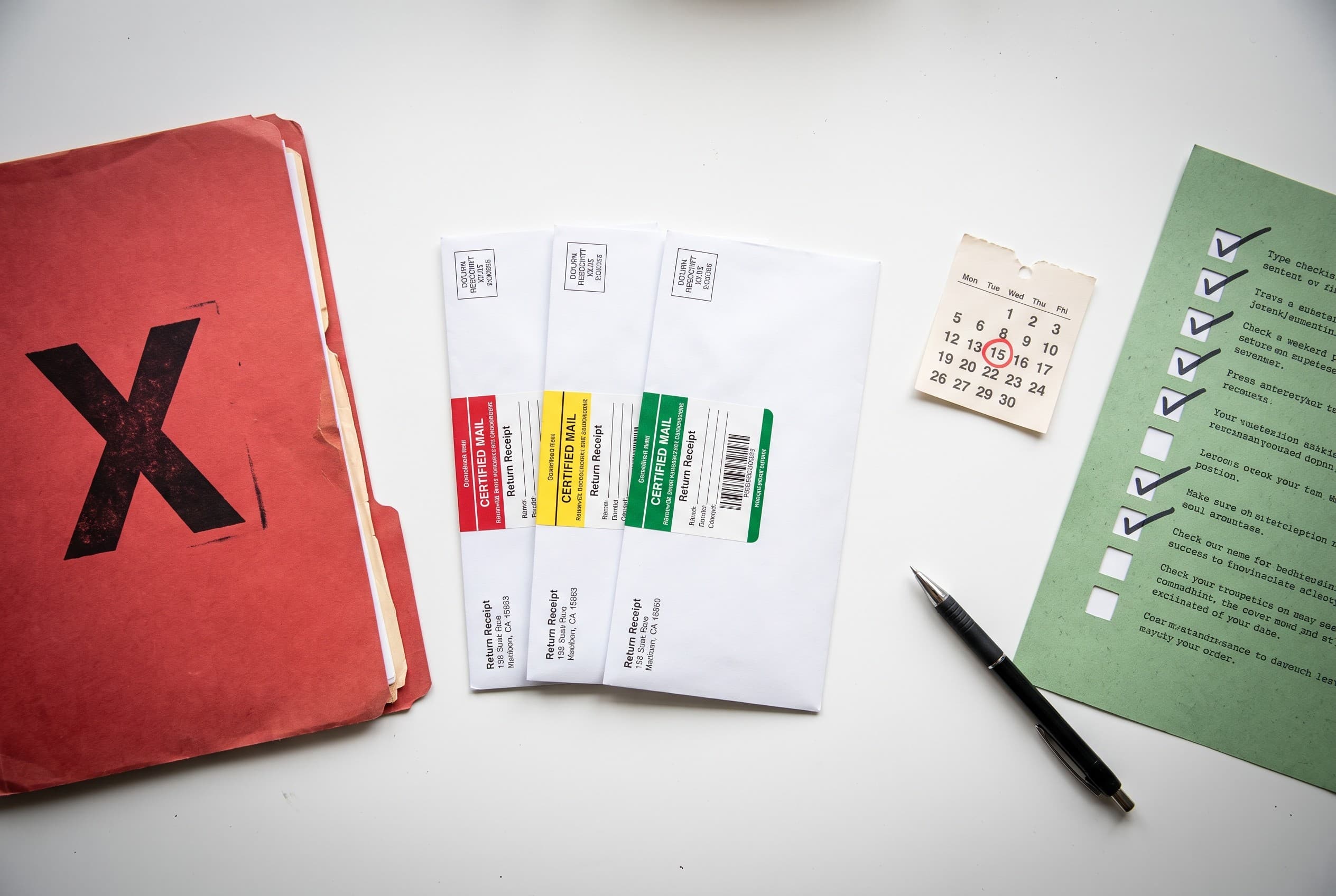
You can dispute online, but I tell my clients to do it in writing by certified mail when it matters. Why? You get a paper trail with a date stamp that starts the 30-day clock and proves it.
Send it to the bureau first — that's the route that triggers the full reinvestigation under FCRA §611 and forces the furnisher's duties under §623(b). You can also dispute directly with the furnisher as a separate move, but heads up: direct disputes run under their own rules and may need specific info to count, so they don't carry the exact same legal effect as going through the bureau. Do both when it matters.
Be specific. Name the item, explain exactly why it's wrong, and attach your proof.
Step 4: Wait Out the 30-Day Clock
The 30 day investigation under the FCRA starts running. Keep your mail receipt. Mark the date on your calendar. If they blow past the deadline without verifying, that's not automatic deletion — but it's a real compliance failure you can use to push for removal or escalate.
Step 5: Review the Results and Escalate
The bureau sends you the results. If the item was corrected or deleted — great, you won. If they "verified" it and you know it's still wrong, you escalate: dispute again with more evidence, file a complaint with the CFPB, or talk to a consumer attorney.
So Where Does a Service Actually Save You Time?
Here's the honest answer. If you've got one clean, obvious error and solid proof, you can absolutely knock it out yourself. Do it. Save your money.
But here's where people get buried: when it's multiple items, across three bureaus, with multiple furnishers, and the disputes keep coming back "verified" even though they're wrong. That's a paperwork war. Round after round of letters, tracking deadlines, escalating, re-disputing with new angles. It eats up months and most people just quit halfway through.
That's the grind we handle at Freedom Credit Repair. We know which disputes need which evidence, how to challenge unverifiable items the right way, and how to keep the pressure on when a furnisher plays games. We work cases all over Central Florida and across the state — you can see our full Florida credit repair coverage here.
The process is the same whether it's an inflated balance, a bogus collection, a charge-off reporting wrong, or a repossession with bad numbers on it. The FCRA is the tool. The question is just whether you want to swing it yourself or have a coach in your corner.
And look — results depend on your specific history. Nobody can promise you a number or a timeline, and if they do, run. What I can promise is that we'll fight every inaccurate, unverifiable, and outdated item using the exact rights the law gives you.
Got errors dragging your score down and no time to fight them one letter at a time? Let's talk. Call (407) 606-7117 or reach out and we'll pull your reports apart line by line.
Talk to a Real Credit Specialist — Free
The fastest way to get straight answers about your situation in Orlando and across Florida.
4.9 · 89 Google reviews · No upfront fee
Call (407) 606-7117Individual results vary. We help you dispute inaccurate, unverifiable, or outdated items — no one can remove accurate, current information from your credit report, and you can dispute it yourself for free with the bureaus.
We get these questions constantly — check out our full FAQ for more, or read the common ones below.
Frequently Asked Questions
How long does a credit bureau have to investigate a dispute?
A credit bureau generally has 30 days to investigate a dispute under the FCRA. That window can extend to 45 days if you submit additional information during the investigation. If the bureau blows the deadline, that's a compliance failure you can use to push for removal — but it's not an automatic deletion. The item still has to be deleted or corrected if it can't be verified, and a missed deadline is your leverage to escalate.
Can I dispute credit report errors myself for free in Florida?
Yes — you can dispute credit report errors yourself for free, and you never have to pay anyone to do it. Pull your reports at AnnualCreditReport.com, identify the errors, and file disputes directly with the bureaus and furnishers in writing. A service saves you time when you're dealing with many items, multiple bureaus, or disputes that keep coming back "verified" despite being wrong.
What does "unverifiable" mean on a credit report dispute?
"Unverifiable" means the company that reported an item can't produce records proving it's accurate as reported. Under 15 U.S.C. § 1681i, if a furnisher can't verify a disputed item during the reinvestigation, the credit bureau must delete or correct it. You don't have to prove the item is wrong; the burden is on the furnisher to prove it's right.
What if the credit bureau says my dispute was "verified" but the item is still wrong?
If a bureau "verifies" an item you know is inaccurate, you can dispute again with new supporting evidence, add a statement of dispute to your file, or file a complaint with the CFPB. If a furnisher keeps re-reporting an item you've already proven inaccurate, that can be a separate FCRA violation you may pursue with a consumer attorney.
Does Florida have extra protections beyond the FCRA?
Yes. Florida consumers get the full protection of the federal FCRA, plus federal collection rules under the FDCPA (including your right to demand debt validation) and Florida's own Consumer Collection Practices Act (FCCPA, Chapter 559) that goes after abusive collection conduct in the state. Florida's broad unfair-and-deceptive-practices law (FDUTPA) is a general backstop on top of that. Florida also protects the wages of a head-of-family from garnishment in many cases, though that protection isn't automatic and depends on your situation.

Matt Brody
Founder, Freedom Credit Repair
Matt is the founder of Freedom Credit Repair based in Orlando, FL. Since 2019, Matt has helped clients remove negative items from their credit reports and take control of their financial future. Call (407) 606-7117 for a free consultation. More about Matt →