FDCPA Rights in Florida: How to Stop Debt Collector Harassment

What You'll Learn
- Why Florida consumers get two layers of legal armor against collectors that people in most states don't have
- The exact federal law that forces a collector to prove you owe the debt before they can keep hounding you
- How a single wrong reporting code cost a Sanford client 40 points — and how we clawed 35 of them back
- The move that legally shuts off collection calls (and the one mistake that makes it worse)
If Your Phone Won't Stop Ringing, Read This First
If a collector called you three times before lunch today, stop screening and start documenting. That ringing phone isn't just annoying — it's evidence.
Here's the thing most people in Orlando don't know: when it comes to collector harassment, you're not the one on defense. They are. Federal law and Florida law both put the burden on the collector to play by strict rules. Break those rules, and they pay you.
But you've gotta know your FDCPA rights in Florida to use them. Most folks don't. They just let the calls pile up, screen their mom's number by accident, and hope it goes away.
It doesn't go away. Let me show you what actually happens — and then how to fight back.
What Happens If You Just Ignore Them
Real talk — ignoring a debt collector is different from ignoring a telemarketer.
A collector who thinks you're a ghost has one move left: sue you. And in Florida, that lawsuit can lead to some ugly outcomes:
- Wage garnishment. If a collector wins a judgment and you're not head-of-household, they can garnish up to 25% of your disposable earnings. (Florida's head-of-household exemption is strong — more on that in a sec — but you have to claim it.)
- Bank account levies. A judgment lets them freeze funds sitting in your checking account.
- Liens on your property. A judgment can turn into a lien against real estate you own. Now, here's the credit-reporting reality most people get wrong: judgments and liens usually don't show up on the big 3 credit reports anymore (the bureaus stopped reporting them years back). But don't relax — the collection account itself, plus any charge-off tied to it, can still torch your scores and blow up a mortgage application.
And honestly? A lot of these lawsuits get filed by junk-debt buyers who don't even have the paperwork to prove the debt is yours. They're betting you won't show up. When you don't, they win by default. (Yes, really.)
So the worst thing you can do is hide. The second worst thing? Panic and pay a debt you were never even required to pay.
Your Legal Leverage: Two Laws, Not One
Here's where Florida gets interesting. Most people only know about the federal law. You've actually got two.
Layer One: The Federal FDCPA
The Fair Debt Collection Practices Act (FDCPA) — that's 15 U.S.C. § 1692 — is your baseline federal protection against third-party debt collectors. It flat-out bans a bunch of stuff collectors love to do:
- Calling before 8 a.m. or after 9 p.m.
- Calling you at work after you've told them your employer doesn't allow it
- Threatening arrest, violence, or wage garnishment they can't legally pursue
- Telling your neighbors, coworkers, or family about your debt
- Calling repeatedly to annoy or harass you
And the big one — debt validation. Under FDCPA § 1692g, if you send a written dispute within 30 days of their first contact, the collector has to pause collection efforts until they mail you verification the debt is real and it's actually yours. Now let's be straight: validation doesn't magically wipe out a valid debt, and they can start swinging again once they mail you that verification. But it forces them to prove they've got the right person and the right numbers before they keep hounding you. If they can't verify it, they've got no business keeping up the collection or the reporting.
Layer Two: The Florida FCCPA
Now here's the part national sites skip. Florida has its own law that goes further than the federal one — the Florida Consumer Collection Practices Act (FCCPA), Florida Statutes Chapter 559.
Why does this matter? Two reasons:
- It covers more people. The federal FDCPA only applies to third-party collectors. The FCCPA applies to anyone collecting a debt in Florida — including the original creditor. So if it's the bank itself harassing you (not a collection agency), the feds can't help, but Florida can.
- It's got teeth. The FCCPA lets you pursue actual damages and attorney's fees for violations, and depending on the claim you may be able to seek additional damages on top. That's leverage the federal law alone doesn't give a Florida consumer.
So a collector harassing an Orlando consumer can get nailed under both laws at once. I've seen collectors fold the second they realize a Florida consumer knows about the FCCPA. Most out-of-state collection shops have no idea it exists.
Want the deeper breakdown on how validation actually works? We answer that one constantly on our FAQ page.
Where Harassment Meets Your Credit Report
Here's what a lot of people miss. Stopping the calls is one battle. Fixing what the collector reported to the bureaus is a whole different fight — and the collector's got to be accurate there too.
Under the FCRA, whoever furnishes information to the credit bureaus has to report it accurately. That's FCRA § 623(a)(1). When they don't, you dispute it — and they either fix it or delete it.
Let me give you a real example.
I had a client in Sanford last year who was getting hammered by calls over a car. Trying to do the right thing, she voluntarily surrendered the vehicle — figured it'd look cleaner on her report than a full-blown repo. Smart instinct.
Problem was, the lender coded it as an involuntary repossession anyway. That single wrong code dropped her score an extra 40 points compared to how a voluntary surrender scores. Forty points, over a data-entry choice she never agreed to.
Here's how we fought it: we ran the dispute through the bureaus (that's the move that triggers the furnisher's formal duty to investigate under the FCRA), pointing straight at the accuracy requirement. The lender corrected it to "voluntary surrender" — which the scoring models treat less harshly — and she recovered 35 of those points.
We didn't erase the account. It was a real event and it stayed on her report. But it was reported wrong, and wrong is disputable. That's the difference between legit credit repair and the scam stuff you see advertised. If your situation involves a surrendered or repossessed vehicle, that's exactly the kind of thing we handle on our repossession credit repair side.
The Action Plan: How to Shut the Harassment Down
OK so here's your battle plan. Follow it in order.
1. Start a Call Log Today
Grab a notebook or a notes app. Every single call, write down:
- Date and time
- Company name and the caller's name
- What they said (word for word if they threatened you)
This log is your ammunition. If they call at 10:47 p.m. or tell you they'll have you arrested, that's a documented FDCPA and FCCPA violation. Screenshot voicemails. Save texts. Don't delete anything.
2. Send a Debt Validation Letter (Within 30 Days)
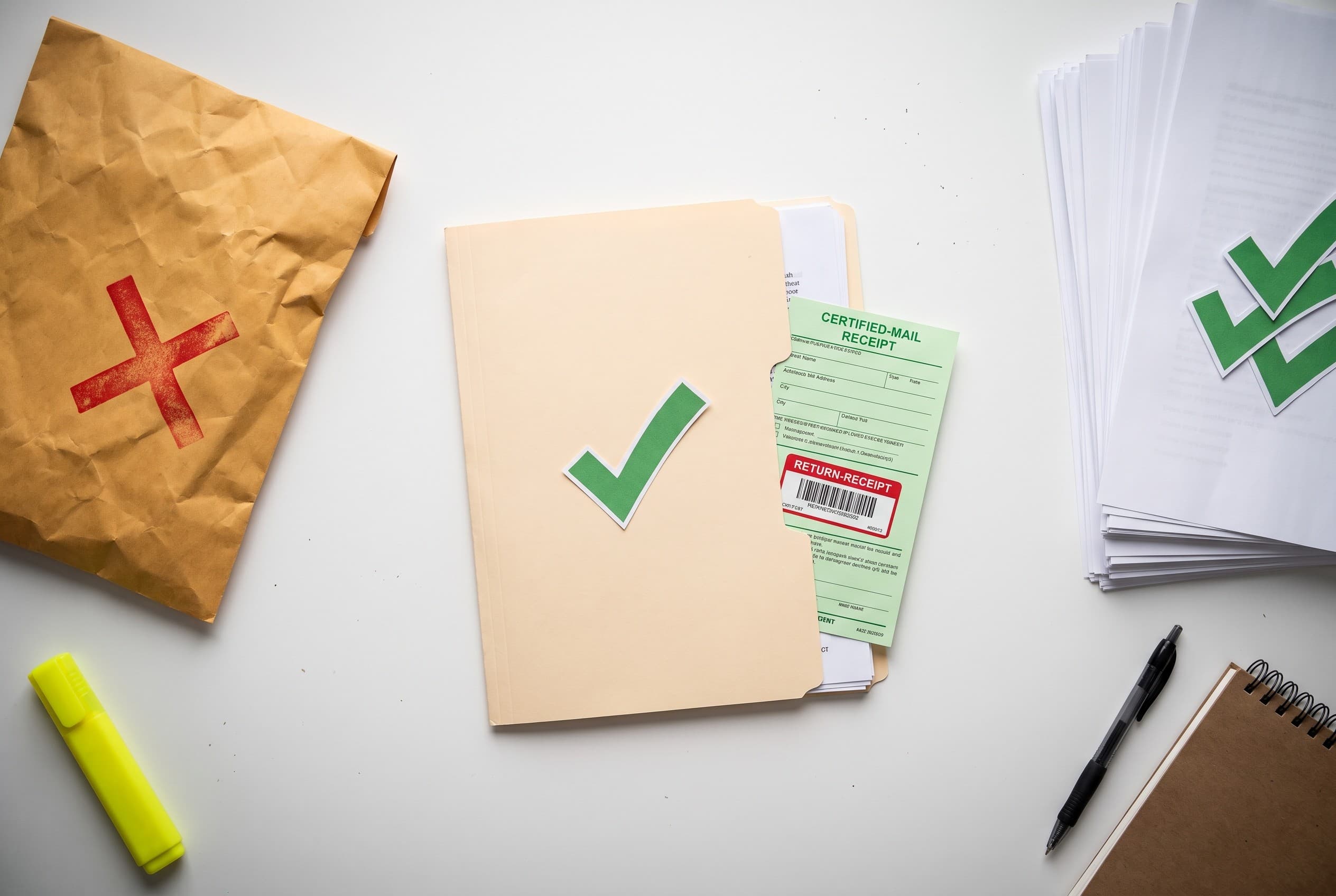
This is the no-brainer first move if a collector just contacted you. Send a written request demanding they validate the debt. Send it certified mail, return receipt requested — you want proof they got it.
Until they mail you the validation, they legally can't keep collecting. You can send this yourself for the cost of a stamp. You don't have to pay anyone to do it. That's your right under FDCPA § 1692g.
3. Send a Cease-and-Desist If the Calls Keep Coming
If you want the calls to just stop, you can send a written notice telling the collector to quit contacting you. Once they receive it, the FDCPA says they can only reach out to confirm they're stopping — or to tell you they're taking a specific legal action.
But here's the catch (trust me on this): a cease-and-desist stops the calls, not the debt. If the debt is valid and you go silent, that's when a lawsuit becomes more likely. So use this move strategically, not as a way to bury your head in the sand.
4. File Complaints — They Actually Matter
When a collector crosses the line, report it:
- File a CFPB complaint online in about ten minutes
- File a Florida Attorney General (Consumer Protection) complaint
- File an FTC report
These complaints create a paper trail. Collectors with a stack of complaints are far more willing to negotiate — or drop the whole thing.
5. Dispute Anything Reported Wrong
Once the harassment slows down, pull your report and check what the collector actually put on it. Wrong balance? Wrong dates? Wrong status code — like my Sanford client's "repo" that should've been a surrender? Dispute it. You can dispute inaccurate items yourself for free directly with Equifax, Experian, and TransUnion.
If the collection itself is inaccurate or unverifiable, that's the whole ballgame for collections removal. And if you're dealing with this anywhere in the state — Tampa, Jacksonville, Miami, wherever — the same playbook runs through our Florida credit repair work.
Claim Your Head-of-Household Exemption
One more Florida-specific weapon. If you're the primary earner supporting your family, Florida's head-of-household exemption under Florida Statutes § 222.11 can protect your wages from garnishment entirely — even if a collector wins a judgment.
But here's the kicker: it's not automatic. You have to formally claim it in the court proceeding. Miss the deadline to file that claim and you can lose the protection you were legally entitled to. I've watched people lose garnishment protection they should've kept, purely because nobody told them to file the paperwork. Don't be that person.
FAQ: FDCPA Rights in Florida
Can a debt collector call me at work in Florida?
A debt collector can call you at work — until you tell them to stop. Under the FDCPA, once you inform a collector (verbally or in writing) that your employer prohibits these calls, they must stop calling you at work. Put it in writing and keep a copy. If they keep calling after that, it's a violation you can act on under both federal and Florida law.
What's the difference between the FDCPA and the Florida FCCPA?
The FDCPA is federal and only applies to third-party debt collectors, while the Florida Consumer Collection Practices Act (FCCPA) applies to anyone collecting a debt in Florida — including the original creditor. That's the big advantage for Florida consumers: if your original bank or lender is the one harassing you, the FCCPA covers you where the federal FDCPA can't. Both laws give you a path to recover damages and attorney's fees for violations.
How do I stop collection calls under Florida law?
Send the collector a written cease-and-desist notice, delivered by certified mail with return receipt. Under the FDCPA, once they receive it, they can only contact you to confirm they're stopping or to notify you of a specific legal action. Keep in mind this stops the calls, not the debt — if the debt is valid and you ignore it, a lawsuit becomes more likely, so use this move with a plan.
Can I sue a debt collector for harassment in Florida?
Yes. The federal FDCPA lets you recover statutory damages up to $1,000, plus actual damages and attorney's fees when a collector violates the law. The Florida FCCPA adds actual damages and attorney's fees on the state side, and depending on your claim you may be able to seek additional damages too. Document every violation — the calls, the threats, the times — because your call log is the evidence that wins the case. Many consumer-protection attorneys take these cases on contingency.
Does disputing a debt hurt my credit score?
No, filing a dispute does not lower your credit score. Under the FCRA, disputing inaccurate information is your legal right, and the act of disputing is not reported as negative. If a collector can't verify the debt or corrects an inaccurate entry — like a wrong repossession code — that often helps your score, as it did for my client in Sanford who recovered 35 points.
Stop Playing Defense
Look — the collectors are counting on you not knowing your rights. The second you learn them, the whole dynamic flips.
You can send validation letters and dispute inaccurate items yourself for free. Some people do, and that's great. But if you're getting buried, coded wrong, or sued, that's exactly what we do at Freedom Credit Repair — we go through your report line by line and challenge everything that's inaccurate, unverifiable, or reported wrong.
Right here in Orlando, we've been fighting collectors and cleaning up reports since 2019. Call us at (407) 606-7117 for a straight-up look at your situation. No fluff, no promises we can't keep — just a plan.
Talk to a Real Credit Specialist — Free
The fastest way to get straight answers about your situation in Orlando and across Florida.
4.9 · 89 Google reviews · No upfront fee
Call (407) 606-7117Individual results vary. We help you dispute inaccurate, unverifiable, or outdated items — no one can remove accurate, current information from your credit report, and you can dispute it yourself for free with the bureaus.

Matt Brody
Founder, Freedom Credit Repair
Matt is the founder of Freedom Credit Repair based in Orlando, FL. Since 2019, Matt has helped clients remove negative items from their credit reports and take control of their financial future. Call (407) 606-7117 for a free consultation. More about Matt →