How to Build Credit with No Credit History — Orlando Guide
What You'll Learn
- The exact 3-account strategy I give every client starting from zero (and why two credit cards plus a credit builder account is the magic combo)
- Why having no credit history is actually worse than bad credit in Orlando's rental and lending market — and how fast things spiral
- The specific companies like Self and Kovo Credit that let you start building credit even when nobody will approve you
- How a former client in Winter Garden got a $4,500 collection deleted that wasn't even fully his fault — and what that teaches us about protecting new credit profiles
![[IMAGE:2] Instructional Visual — Overhead flat-lay photo on a light birch wood desk showing three distinct zones arranged lef](/_next/image?url=https%3A%2F%2Ftyyvgkzyojviljefkhzv.supabase.co%2Fstorage%2Fv1%2Fobject%2Fpublic%2Fimages%2Fblog%2Fhow-to-build-credit-with-no-credit-history-orlando-guide%2Fbody-1.jpg&w=3840&q=75)
You Don't Have Bad Credit — You Have No Credit. That's Worse.
Here's something nobody tells you: a 500 credit score will get you further than no credit score at all.
Sound backwards? It's not. A person with a 500 has a file. They have history. Lenders can see them, evaluate them, and — in a lot of cases — still approve them with adjusted terms. You? If you've got no credit history, you're a ghost. You don't exist in the system. And ghosts don't get approved for anything.
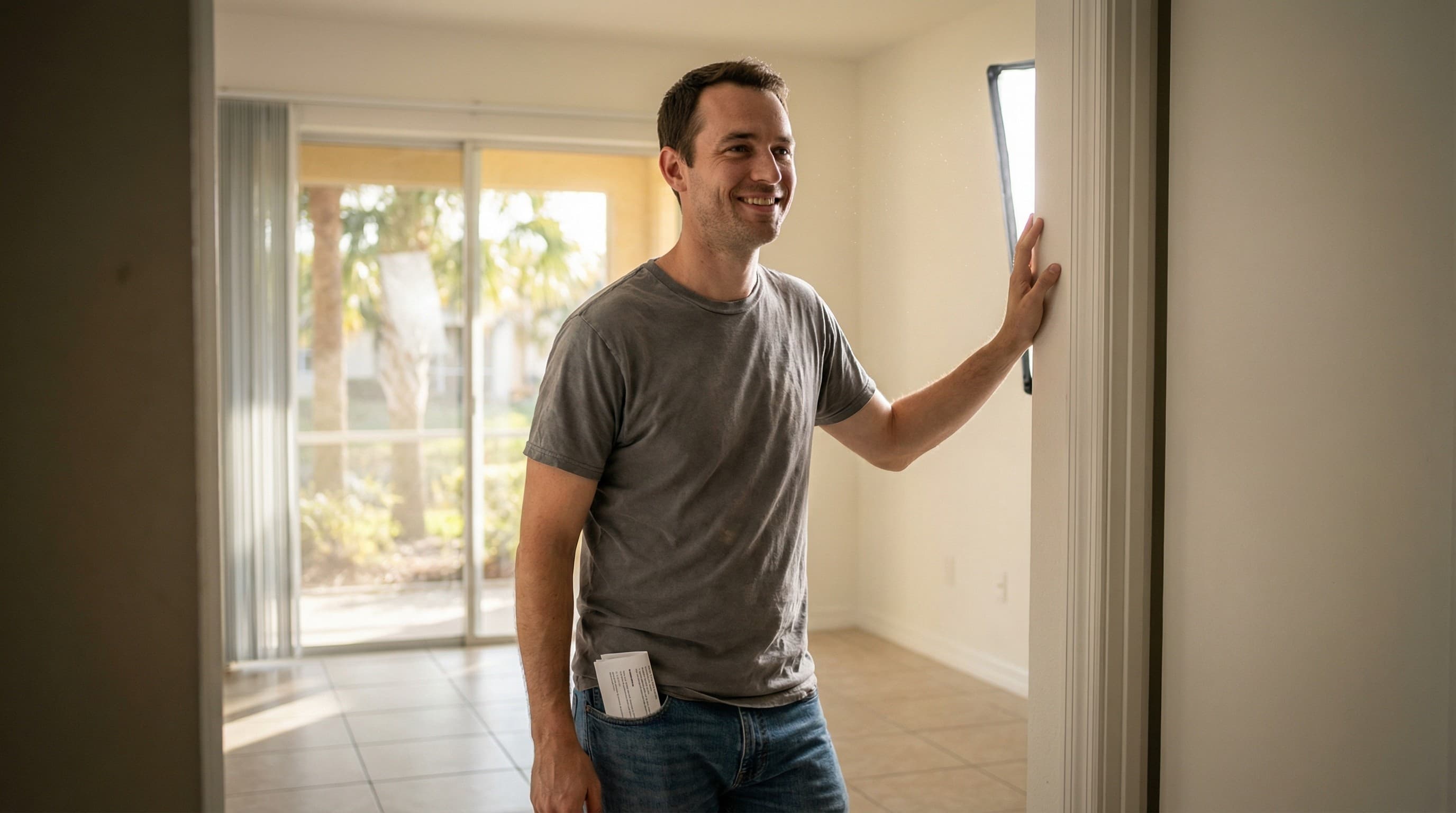
I had a guy come into my office last spring — 28 years old, moved to Orlando from Puerto Rico, worked full-time at a warehouse near the airport. Paid cash for everything his whole life. No debt. No late payments. No nothing. And he couldn't get a $600 apartment in Pine Hills because the property management company auto-denied anyone without a FICO score. Not a low score. No score.
That's the reality of trying to establish credit from scratch in Central Florida right now. The rental market is brutal. Complexes near I-Drive and around UCF run hard credit checks, and "no file found" gets treated the same as "this person defaulted on everything." It's not fair, but fair doesn't get you a lease.
So let me be straight with you: if you're reading this because you've never had a credit card, never had a loan, never had anything reported to Equifax, Experian, or TransUnion — you need to fix that immediately. Not next month. Not when you "feel ready." Now.
What Happens If You Do Nothing
Let me paint this picture for you because I see it play out every single week.
You keep paying cash for everything. You rent a room from a friend or a family member because you can't pass a credit check. You drive a car you bought off Facebook Marketplace because no dealership will finance you. Your insurance premiums are higher because — yes, really — auto insurers in Florida check your credit and charge more when there's no file.
Then something happens. You need to move. The roommate situation falls apart, or you get a better job in Lake Nona and the commute from Kissimmee is killing you. Now you need an apartment fast. But you still have no credit.
So you do what everybody does in a panic: you apply for the first credit card you see, get denied, and that hard inquiry actually hurts you. Or worse — you let someone talk you into being added to a lease with a roommate who has credit, and suddenly you're on the hook for someone else's mess.
I had a client in Winter Garden who learned this the hard way. Young guy, early 20s, just getting started. He had almost no credit history of his own. His former roommate was listed on the lease and skipped out on three months of rent — just vanished. The apartment complex didn't care who actually paid what. They reported the full $4,500 balance against both tenants. My client had been paying his half the entire time, but the collection showed up on his report as if he owed the whole thing.
That one tradeline torpedoed him. He went from "thin file" to "thin file with a $4,500 collection." Good luck getting approved for anything with that on your record.
(I'll tell you how we fixed that in a minute — because we did.)
The bottom line: doing nothing doesn't mean nothing happens. It means you're vulnerable. You have no credit armor, and the first financial hit you take — a medical bill, a disputed utility balance, a sketchy roommate — goes on a blank canvas. One negative item on an empty credit file is catastrophic.
![[IMAGE:3] Local Proof — A quiet stretch of Plant Street in downtown Winter Garden, Florida, on a warm weekday morning. The br](/_next/image?url=https%3A%2F%2Ftyyvgkzyojviljefkhzv.supabase.co%2Fstorage%2Fv1%2Fobject%2Fpublic%2Fimages%2Fblog%2Fhow-to-build-credit-with-no-credit-history-orlando-guide%2Fbody-2.jpg&w=3840&q=75)
The 3-Account Strategy: Two Credit Cards + One Credit Builder Account
OK so here's the play. This is what I tell every single person who walks into Freedom Credit Repair with no credit history. It's not complicated, but you have to do it in the right order and you have to be consistent.
You need three accounts reporting to the credit bureaus. That's the minimum to generate a FICO score. Two credit cards and one credit builder account. That's the formula.
Why three? Because FICO's scoring model needs to see that you can manage multiple types of credit responsibly. One credit card isn't enough — it gives you a score, but it's thin. Two cards plus an installment account (that's what a credit builder loan is) gives you a "credit mix," which accounts for 10% of your score. And when you're starting from zero, every percentage point matters.
Let me break down each one.
Account #1: A Secured Credit Card
This is your foundation. A secured credit card works like this: you put down a deposit — usually $200 to $500 — and that becomes your credit limit. You use the card for small purchases, pay it off every month, and the issuer reports your payment history to the bureaus.
The card I recommend most for people in Orlando with no credit history: the Discover it® Secured card. Why? Because Discover reports to all three bureaus, they'll eventually graduate you to an unsecured card (meaning you get your deposit back), and they give you a free FICO score so you can watch your progress.
But honestly, any secured card from a major issuer will do the job. Capital One, Chime, OpenSky — they all work. Just make sure of two things:
- It reports to all three credit bureaus (Equifax, Experian, TransUnion)
- There's no annual fee eating into your deposit (or if there is, it's small)
Put one recurring bill on this card. Your Netflix subscription. Your phone bill. Something small and predictable. Set up autopay for the full balance. Never carry a balance. Never.
Account #2: A Second Credit Card (Yes, Really)
I know what you're thinking — "Matt, I don't even have one credit card yet, and you want me to get two?"
Yes. Here's why.
Two cards give you two positive tradelines reporting every month. That's twice the positive data flowing into your credit file. It also helps your credit utilization ratio — if you have two cards with $300 limits each, that's $600 in total available credit. Spending $50 across both cards means you're using about 8% of your available credit. That's perfect. Under 10% is the sweet spot.
Your second card can be another secured card from a different issuer. Spread them out. Get the first one, wait 30 days, then apply for the second. Don't apply for both on the same day — two hard inquiries at once with no existing credit looks desperate to the algorithm.
Account #3: A Credit Builder Account (This Is the Secret Weapon)
Here's where it gets interesting. A credit builder loan isn't a traditional loan. You're not borrowing money — you're making payments into a savings account, and the company reports those payments as an installment loan to the credit bureaus. When the term is up, you get the money back (minus a small fee).
Two companies I point every client toward:
Self (formerly Self Lender): You pick a plan — usually something like $25/month for 24 months — and they report to all three bureaus. At the end, you've got a chunk of savings and a solid payment history. It's a no-brainer for someone starting from scratch.
Kovo Credit: This one's newer but I've been watching it closely. Kovo works a little differently — you pay a monthly subscription and they report it as a tradeline. It's low-cost and specifically designed for people who need to build credit score fast without a big upfront commitment.
Either one works. The kicker is, you need that installment account alongside your two credit cards to show the credit bureaus you can handle different types of credit. Revolving credit (cards) plus installment credit (the builder loan) equals a stronger, more diverse profile.
Real talk — within 6 months of opening all three accounts and making on-time payments, I've seen clients go from "no score" to the mid-600s. That's not a guarantee. That's what I've seen in my office, with real people, doing this exact strategy.
The Step-by-Step Action Plan
Here's exactly what to do, in order. Print this out. Tape it to your fridge.
Month 1:
- Apply for a secured credit card (Discover it® Secured is my first pick)
- Put down the minimum deposit — $200 is fine
- Sign up for a credit builder account with Self or Kovo Credit
- Put one small recurring charge on the secured card (streaming service, phone bill)
- Set up autopay on everything — the card AND the credit builder payment
Month 2: 6. Apply for a second secured credit card from a different issuer 7. Put a different small recurring charge on this card 8. Set up autopay for full balance on the second card 9. Check your credit report through AnnualCreditReport.com — you should start seeing your accounts appear
Months 3-6: 10. Change absolutely nothing. Seriously. Don't apply for more credit. Don't close anything. Don't max out a card because you "need" something. Just let the autopay run. 11. Check your score monthly — Self gives you score updates, and Discover shows your FICO 12. Keep utilization under 10% on both cards combined
Month 6: 13. You should have a FICO score. If you've done everything right, it'll likely be in the 630-680 range. 14. Start researching unsecured credit cards you might qualify for — but do not close your secured cards. Length of credit history matters.
That's it. That's the whole plan. No tricks. No shortcuts. Just three accounts, autopay, and patience.
What About That Winter Garden Client?
Remember the guy with the $4,500 collection from his former roommate skipping rent? Let me tell you how we handled that, because this is exactly the kind of thing that destroys a new credit profile.
When he came to us, that collection was the only thing on his report (besides one secured credit card he'd recently opened). One tradeline positive. One tradeline devastating. His score was sitting in the low 500s.
Here's what we did:
We pulled every document he had — his bank statements showing rent payments for his half, the original lease showing two tenants, and text messages from the roommate (yes, really — screenshots matter).
Then we sent a debt validation request to the collection agency under FDCPA Section 809. Here's how that law actually works: when a collector first contacts you, they're required to send you a written validation notice within five days. Once you receive that notice, you've got 30 days to dispute the debt in writing. If you dispute within that 30-day window, the collector has to stop all collection activity until they send you proper verification of the debt. You can still request validation after the 30 days, but you lose that automatic "they have to stop collecting while they verify" protection. Timing matters here — a lot.
We demanded they verify that our client owed the full $4,500 individually. Not jointly. Not split. The full amount, assigned to him.
They couldn't do it. Because it wasn't true.
The collection agency first reduced the balance to reflect only the portion they could reasonably tie to him. But here's where we hit them from the other side — we filed disputes directly with all three credit bureaus under FCRA Section 611, which gives you the right to dispute any information on your report you believe is inaccurate. The original tradeline still showed the full $4,500 amount and had been reporting incorrect data for months. We also flagged the issue under FCRA Section 623, which requires the furnisher — that's whoever reported the info — to investigate disputes forwarded by the bureaus and correct or delete anything they can't verify as accurate.
Based on the bureau investigations and the collector's inability to substantiate accurate reporting, the tradeline was deleted. I want to be real with you — results like this depend on the specific facts of your case and the documentation you can bring to the table. Not every dispute ends this way. But when the data is wrong and you can prove it, you've got serious leverage.
His score jumped almost 80 points in one reporting cycle. With that gone and his secured card reporting clean for a few months, he was able to start building credit the right way — which is exactly the strategy I just gave you above.
Know Your Rights — Especially in Florida
Quick rundown because I think every person in Central Florida should have this tattooed on their brain:
- FDCPA (federal): Governs how debt collectors can contact you, what they have to disclose, and your right to demand validation of any debt
- FCRA Sections 611 & 623 (federal): Your right to dispute inaccurate info with the bureaus, and the requirement that furnishers investigate and fix what's wrong
- Florida Consumer Collection Practices Act (FCCPA) — Florida Statutes Chapter 559: This is the state-level law that gives you additional protections beyond the federal FDCPA. Florida's law is actually tougher on collectors in some ways — it prohibits certain types of harassment and deceptive practices that the federal law doesn't specifically address. If a collector is violating your rights in Florida, you might have claims under both laws.
The lesson? Protect your credit file like it's your reputation. Because it literally is. Don't sign leases with people you don't trust. Don't let someone else's mess land on your report. And if it does — fight it. You have federal and state rights. Use them.
We cover disputes and consumer rights in detail in our FAQ if you want the deeper breakdown.
Things That Will Wreck Your Progress (Avoid These)
You've got the plan. Now let me tell you what blows it up.
Applying for too many cards at once. Every application is a hard inquiry. Three inquiries in a month on a thin file looks like you're desperate for credit. Lenders see that and run.
Carrying a balance to "build credit faster." This is the biggest myth in consumer finance. Carrying a balance doesn't help your score. It costs you interest. Pay the full statement balance every month. Period.
Closing your first card when you get a better one. Your oldest credit account determines the "length of credit history" factor in your score. Close it and you lose that age. Keep it open even if you stop using it regularly.
Co-signing or being added to someone else's account without understanding the risk. If they miss a payment, it hits YOUR report. I see this constantly — parents adding kids to their cards (great), and roommates co-signing leases with people they barely know (disaster).
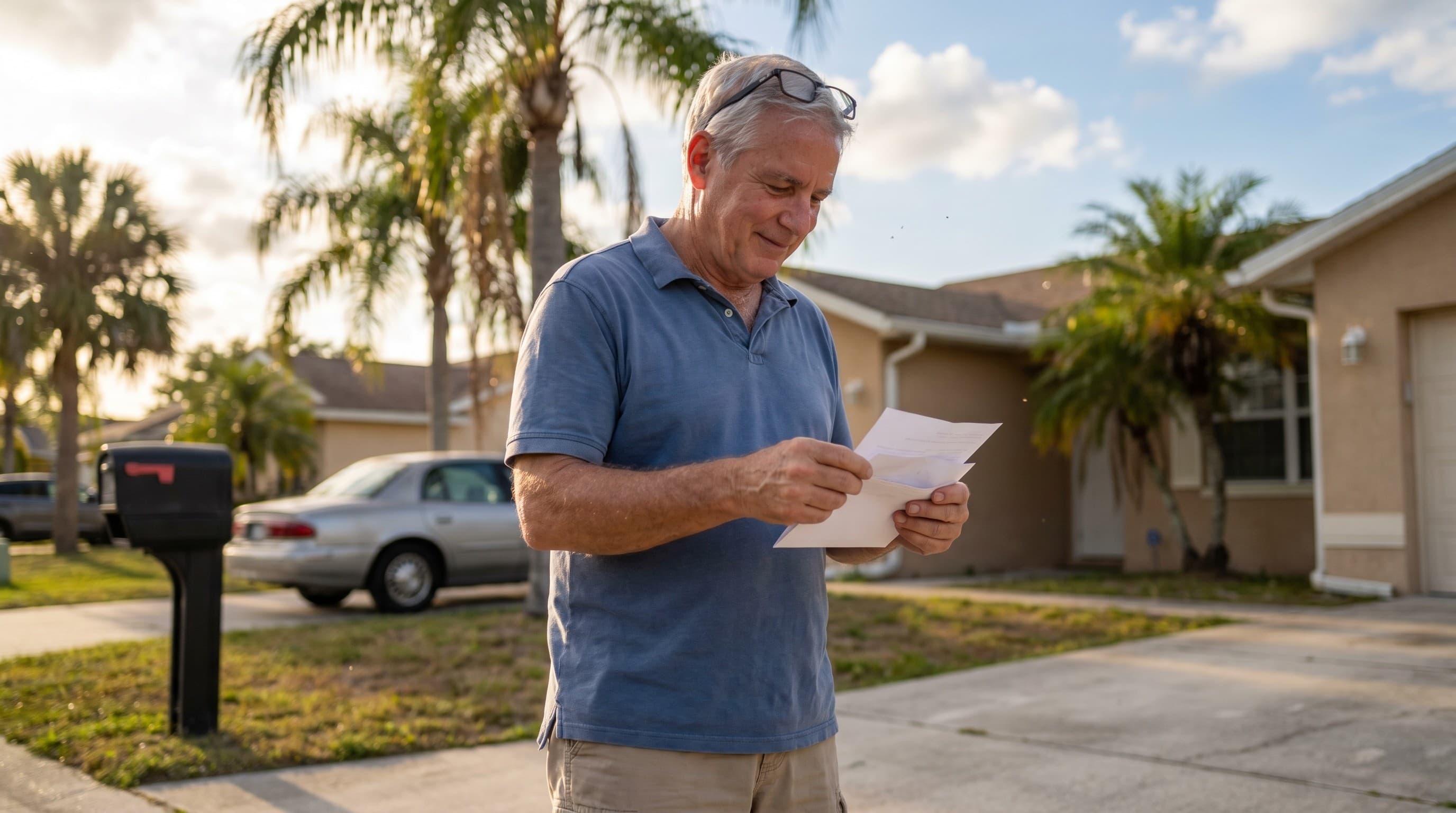
Ignoring mail. This one drives me crazy. If you get a letter from a collection agency, a utility company, anything — open it. Read it. Respond. A $47 medical copay that goes to collections can sit on your report for seven years and crater a thin file.
Orlando-Specific Tips for Building Credit from Scratch
Let me give you some local intel because I've been doing this in Central Florida since 2019.
If you're a Disney cast member or work hospitality on I-Drive, your biweekly pay schedule can mess with autopay timing if your due dates don't align with paydays. Call your credit card issuer and ask to move your statement closing date. Most will do it. Align your due date to fall 3-5 days after your bigger paycheck.
If you're trying to rent an apartment in Orlando with no credit, know this: some complexes in the Kissimmee and Poinciana areas will accept proof of income (pay stubs) and a larger security deposit in lieu of a credit check. Ask before you apply and waste the application fee. Smaller landlords — the ones renting individual homes on Zillow — are usually more flexible than big property management companies.
If you need a car and have no credit, don't walk into a dealership on OBT cold. Get your two credit cards and credit builder account going first. Give it 4-6 months. The difference between "no score" and a 640 is the difference between a 22% APR and a 9% APR on a used car loan. On a $15,000 car over 60 months, that's roughly $5,000 in interest savings. Five grand. That's worth the wait.
Frequently Asked Questions
How long does it take to build credit with no credit history?
With the 3-account strategy (two credit cards and a credit builder loan), most people generate a FICO score within 3-6 months. I've seen clients in Orlando hit the mid-600s by month six. It depends on keeping utilization low and never missing a payment. There's no shortcut — consistency is the whole game.
Can I build credit without a credit card?
Technically, yes — a credit builder loan from Self or Kovo Credit will report to the bureaus as an installment account and eventually generate a score. But your score will be weaker and grow slower without revolving credit in the mix. I always recommend at least one secured card alongside the builder account. Two cards plus a builder account is the strongest starter combo I've found in over six years of doing this.
Is a secured credit card the same as a prepaid card?
No, and this trips people up constantly. A prepaid card (like a Visa gift card or a Green Dot card) does NOT report to credit bureaus. You're spending your own loaded money and building zero credit. A secured card requires a deposit that acts as collateral, but it functions like a real credit card — it reports monthly to the bureaus, and that's what builds your score. Huge difference.
What credit score do I need to rent an apartment in Orlando?
Most major apartment complexes in Orlando want a 620 or higher. Some — especially in areas like Lake Nona, Winter Park, and Baldwin Park — want 650+. But smaller landlords and some complexes in Kissimmee, Poinciana, and parts of Pine Hills will work with you if you can show steady income and offer a larger deposit. Having "no score" is typically harder than having a low score, which is why building something — anything — matters.
Should I use a credit repair company if I'm starting from zero?
If you literally have no credit history and no negative items, you can follow the strategy in this article yourself. Where a credit repair company like Freedom Credit Repair really earns its keep is when you have inaccurate negatives on your report — collections that aren't yours, balances that are wrong, accounts from identity theft. That's when you need someone who knows FCRA and FDCPA law to fight on your behalf. If you're not sure where you stand, give us a call at (407) 606-7117 and we'll tell you straight.
Ready to Start Building?
Look, I get it — reading about credit strategy isn't anyone's idea of a good time. But you just spent 10 minutes getting a game plan that most people pay hundreds of dollars for. Two credit cards. One credit builder account with Self or Kovo Credit. Autopay on everything. Keep utilization under 10%. Don't apply for anything else for six months.
That's how you build credit with no credit history. That's the playbook.
And if you're in Orlando and you've already got negative items on your report — collections you didn't know about, errors from a former roommate, medical bills that got reported wrong — that's a different fight. That's our fight.
Talk to a Real Credit Specialist — Free
The fastest way to get straight answers about your situation in Orlando and across Florida.
4.9 · 89 Google reviews · No upfront fee
Call (407) 606-7117Individual results vary. We help you dispute inaccurate, unverifiable, or outdated items — no one can remove accurate, current information from your credit report, and you can dispute it yourself for free with the bureaus.
Call Freedom Credit Repair at (407) 606-7117 or fill out the form above. I'll personally look at your credit report and tell you exactly where you stand and what we can do about it. No pressure. No upsell. Just a straight answer from someone who's been doing this in Central Florida since 2019.
Your credit file is either working for you or it doesn't exist. Let's make it exist — and make it strong.

Matt Brody
Founder, Freedom Credit Repair
Matt is the founder of Freedom Credit Repair based in Orlando, FL. Since 2019, Matt has helped clients remove negative items from their credit reports and take control of their financial future. Call (407) 606-7117 for a free consultation. More about Matt →